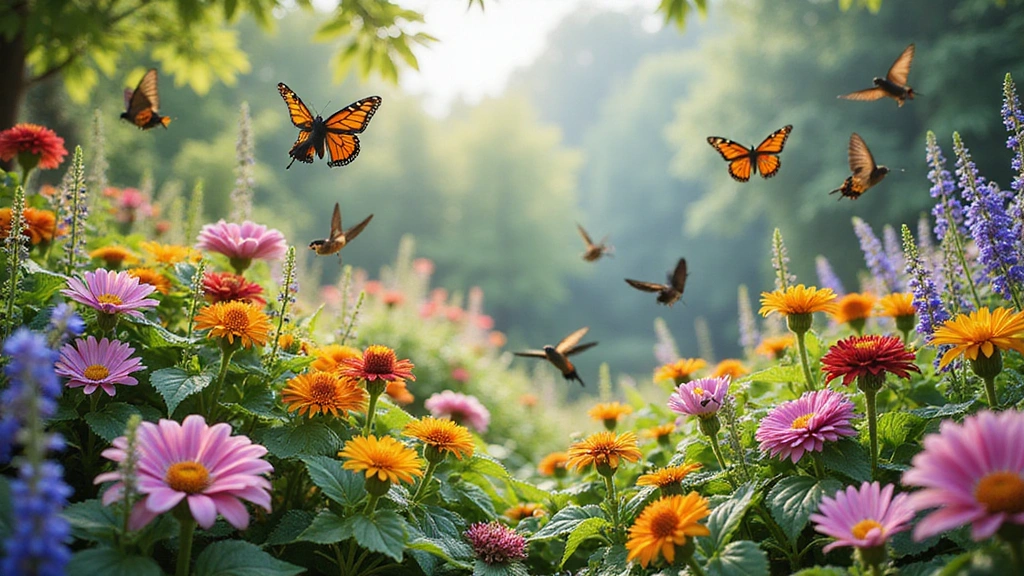

Transforming your outdoor space into a vibrant hummingbird and butterfly garden can turn any mundane backyard into a lively retreat. The delightful flutters of wings and bright colors of these creatures add beauty and joy to your garden. Imagine sipping your morning coffee, surrounded by the gentle hum of hummingbirds and the graceful dance of butterflies. It’s not just about flowers; it’s an ecosystem where every plant plays a role in attracting these pollinators. With some planning and creativity, you can create a haven that’s not only pleasing to the eye but also beneficial to the environment. From choosing the right plants to maintaining an inviting atmosphere, dive into this guide to explore ten engaging ideas for making your garden a pollinator paradise.
Contents
- Selecting the Right Plants for Your Pollinator Paradise
- Creating a Water Source for Your Garden Guests
- Incorporating Host Plants for Caterpillars
- Designing with Color and Texture
- Providing Shelters for Butterflies and Hummingbirds
- Timing Your Planting for Maximum Impact
- Maintenance Tips for a Thriving Garden
- Creating a Seasonal Plan for Your Garden
- Community Involvement Through Pollinator Gardens
- Using Garden Decor to Enhance Visual Appeal
- Tracking Pollinator Activity in Your Garden
- The Joy of Photography in Your Garden
Selecting the Right Plants for Your Pollinator Paradise
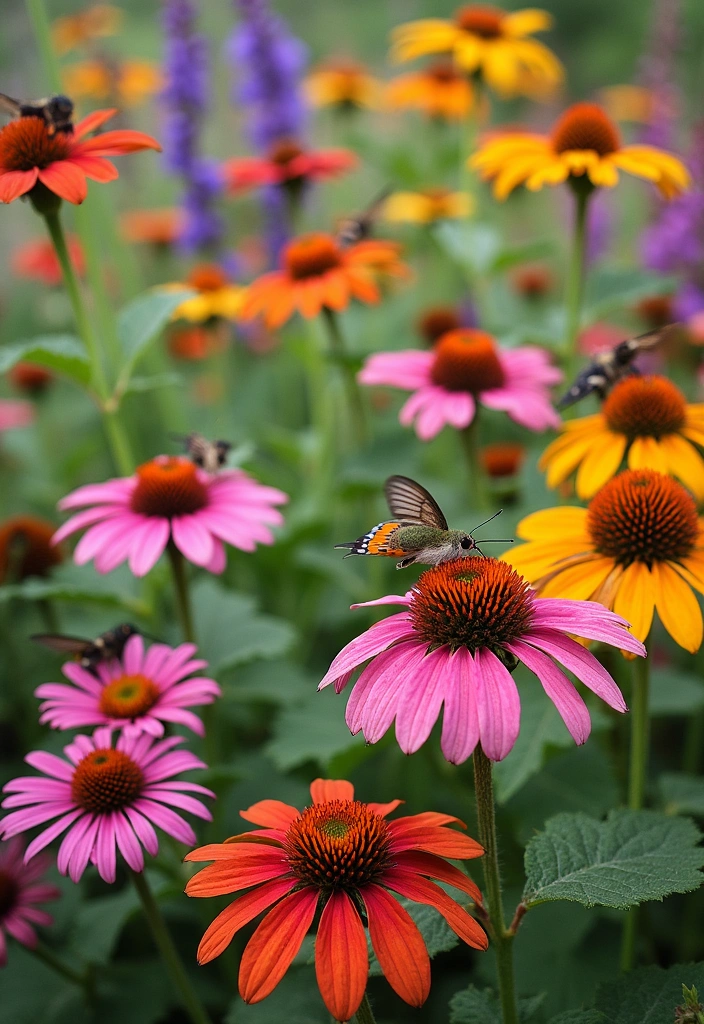
The cornerstone of a successful butterfly and hummingbird garden is selecting the right plants. Native plants are often the best choice as they are adapted to your local climate and provide the right nutrients for these visitors. Consider planting bright, nectar-rich flowers like coneflowers, bee balm, and milkweed, which are particularly attractive to butterflies. For hummingbirds, choose blossoms that are tubular in shape, such as trumpet vine and fuchsia. To support your efforts, you might want to consider using a native wildflower seed mix, which contains a variety of non-GMO flower seeds ideal for creating a pollinator paradise. Here are a few tips to keep in mind: - Group similar plants together to create a stunning visual effect and maximize their attraction. - Incorporate a continuous blooming schedule to ensure the garden is a source of nectar throughout the growing season. - Create layers with tall plants in the back and shorter ones in the front to enhance visibility. Additionally, consider adding a hummingbird feeder to your garden. This feeder provides an easy source of nectar, attracting hummingbirds right to your space. Lastly, enhancing your garden with a butterfly house can provide much-needed shelter and habitat for butterflies. This thoughtful addition not only beautifies your garden but also supports the local butterfly population. These strategies and products will help form a lush landscape that beckons butterflies and hummingbirds alike.
Creating a Water Source for Your Garden Guests
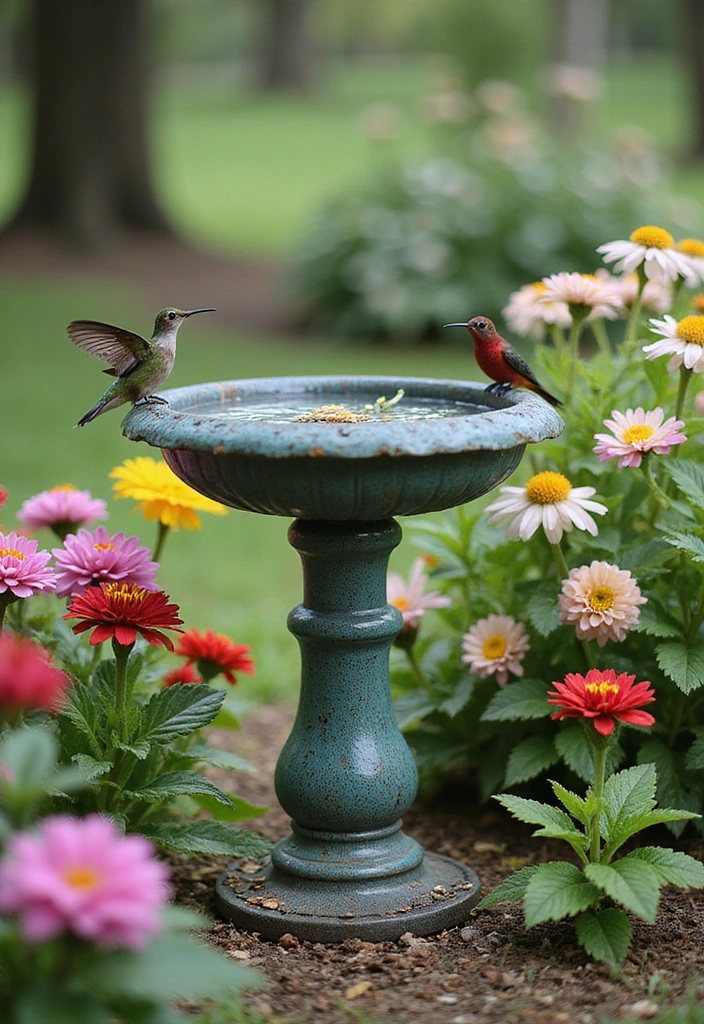
Water is just as crucial as nectar for hummingbirds and butterflies. A small water feature or birdbath can provide a refreshing drink and a place to bathe, while also adding to the relaxing ambiance of your garden, making it a perfect spot for both you and your winged guests. Here’s how to set it up effectively: - Choose a shallow birdbath, like the Alpine Corporation - 31" Tall Outdoor Antique Flower Birdbath. Its design allows easy access for butterflies, and the durability makes it a charming garden accent that attracts birds. - If you're looking for something more elaborate, consider the Aquagarden No Dig Nature Pool, Complete Water Feature Kit. This garden pond kit includes everything you need to create a captivating water source for wildlife, including a pond structure and fountain pump. - Add rocks or pebbles, such as the 20 lbs Natural River Rocks Mexican Beach Pebbles, for hummingbirds to perch on while they drink. These decorative rocks not only enhance the aesthetics of your garden but also provide a safe landing spot for your winged visitors. Remember to change the water regularly to keep it clean and inviting. Such thoughtful touches can turn your garden into a welcoming haven for thirsty visitors.
Incorporating Host Plants for Caterpillars
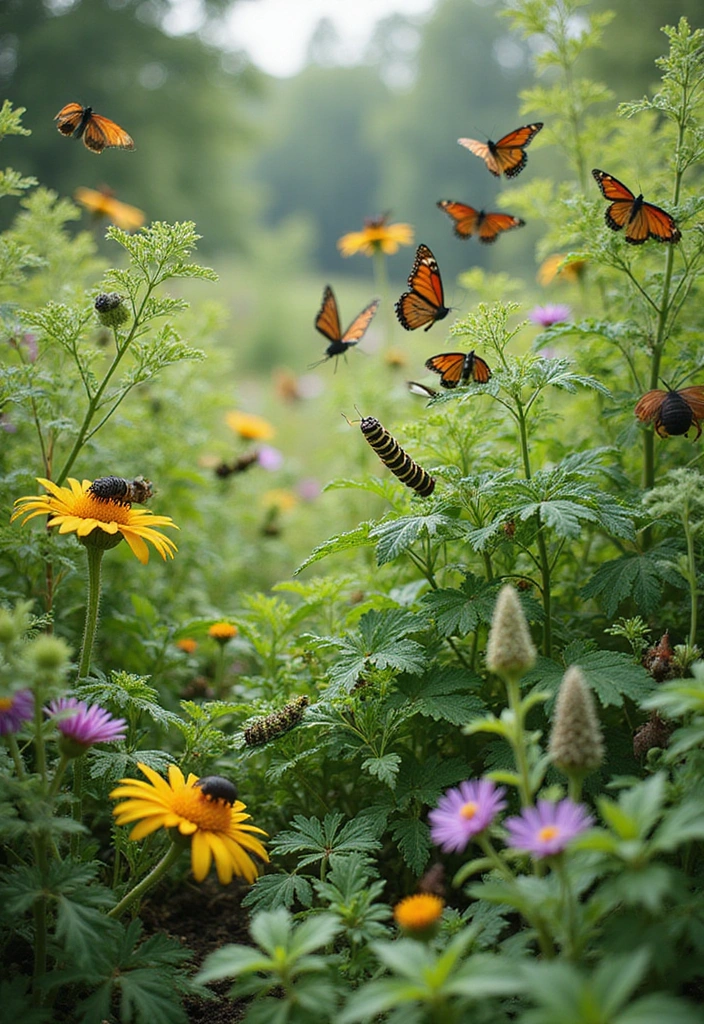
Creating a butterfly garden isn’t just about the adult butterflies; it’s also about nurturing their young! Host plants are essential for butterflies to lay their eggs, and they provide food for caterpillars. For instance, milkweed is the host plant for monarch butterflies, while parsley and dill attract swallowtail caterpillars. To effectively integrate host plants into your garden, consider the following steps: - Research which butterflies are common in your area and what their caterpillars eat. A great starting point is the milkweed seeds, which come in a collection of five individual seed varieties, perfect for attracting monarch butterflies. These heirloom and untreated seeds can create a welcoming habitat for these beautiful creatures. - Plant these host plants in a designated area to create a butterfly nursery. The butterfly host plant seed collection offers a mix of 24 wildflower varieties that are ideal for hummingbirds and butterflies alike. These flowers will not only beautify your garden but also provide a rich environment for caterpillars. - Avoid using pesticides, as they can harm caterpillars and other beneficial insects. Instead, consider using an organic option such as Bonide Captain Jack's Neem Oil, a multi-purpose fungicide, insecticide, and miticide that is safe for organic gardening. This will help protect your plants without compromising the safety of caterpillars. By offering these vital plants, you’ll encourage the entire lifecycle of butterflies in your garden, making it a haven for future generations.
Designing with Color and Texture
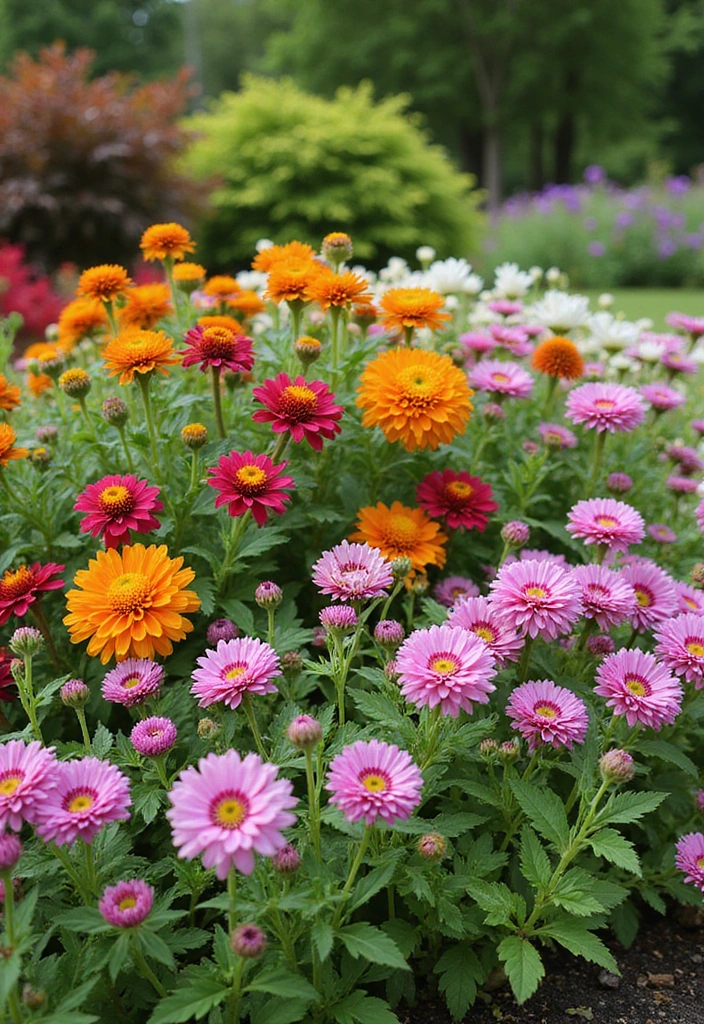
The visual appeal of your garden plays a significant role in attracting butterflies and hummingbirds. To enhance your garden's attractiveness, consider using a color palette filled with bright yellows, reds, and purples, as these colors are particularly appealing to these pollinators. A great way to get started is with Burpee wildflower 25,000 bulk flower seeds, which include 18 varieties of non-GMO flowers specifically chosen to attract hummingbirds and butterflies. Mixing textures adds depth and visual interest to your garden. Tall, spiky plants like salvia can be beautifully paired with round, bushy flowers such as asters to create a stunning effect. Consider incorporating ornamental grasses, like Calamagrostis a. 'Karl Foerster' (Feather Reed), to add movement and softness to your design. These grasses not only provide a gentle sway in the breeze but also help create a layered look that is visually engaging. Here are some design tips to keep in mind: - Choose plants with varying bloom sizes to create layers of interest. - Place contrasting colors next to each other for a vibrant display. - Refer to a garden color palette planting guide to ensure a cohesive and attractive arrangement. This thoughtful design approach will not only enhance the beauty of your garden but also create an irresistible magnet for butterflies and hummingbirds.
Providing Shelters for Butterflies and Hummingbirds
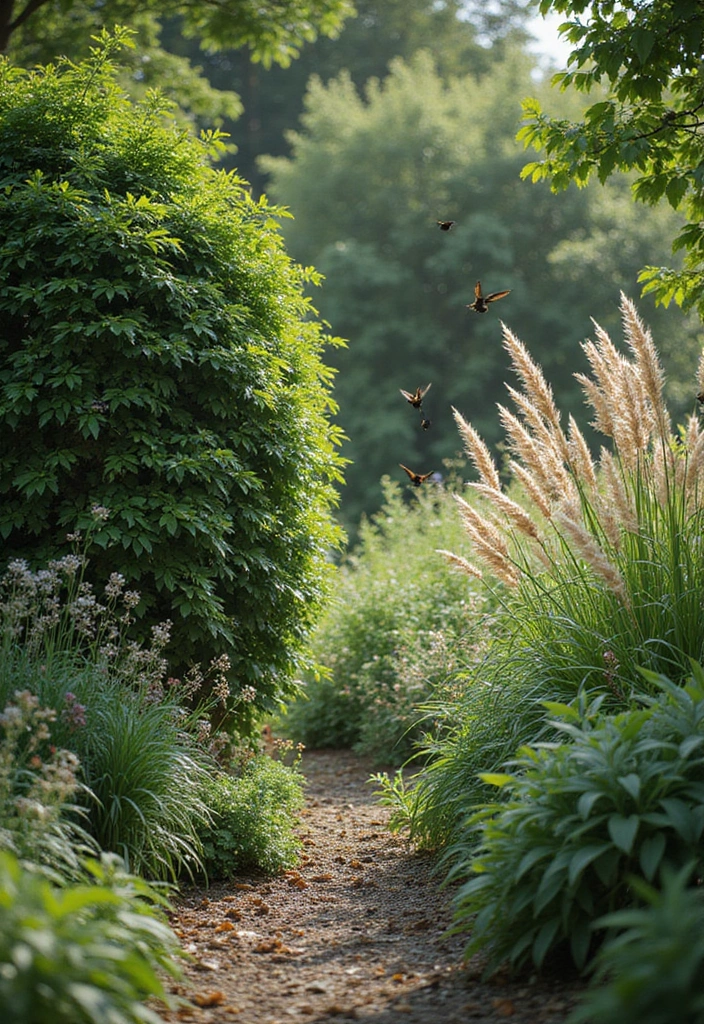
Shelter is an essential element of any garden. Providing places for butterflies and hummingbirds to rest or hide from predators enhances your garden’s appeal. You can easily create natural shelters using strategic planting and structures. Here’s how to offer that much-needed sanctuary: - Incorporate dense shrubs or tall grasses where butterflies can hide. Consider enhancing this habitat with a butterfly house that serves as a natural habitat, providing a safe space for butterflies to rest. - Use garden art or small trellises, like the garden trellis, to create spots for hummingbirds to perch. This not only offers them a resting place but also adds a decorative touch to your garden. - Add logs or rocks where caterpillars can find refuge, further enriching their habitat and ensuring they have safe spots to thrive. Creating layers of shelter will not only help protect these creatures but also add dimension to your garden landscape. A thoughtful addition, such as a hummingbird feeder, can attract these beautiful birds and provide them with essential nourishment while offering them a comfortable spot to rest.
Timing Your Planting for Maximum Impact
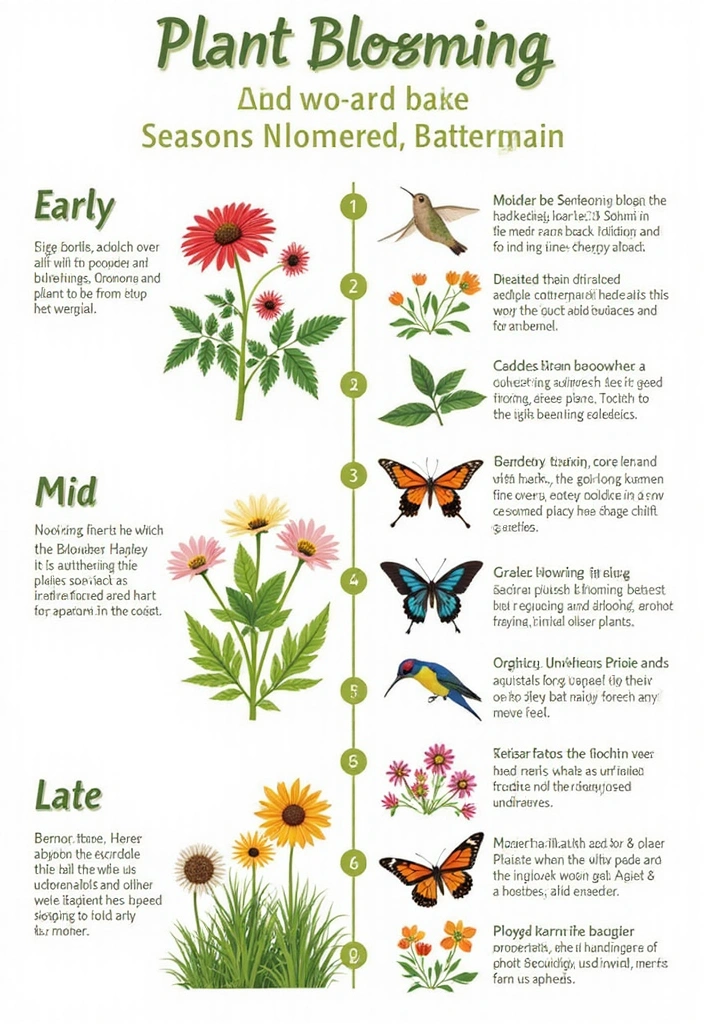
Timing can make all the difference in when your garden attracts butterflies and hummingbirds. Understanding the blooming cycle of your plants can help ensure there’s a consistent supply of nectar. Consider planting a mix of early, mid, and late-season bloomers. Early bloomers like crocus and hyacinth will attract the first butterflies of the season. Mid-season plants such as echinacea and zinnias keep the garden alive with color. Late bloomers like asters and goldenrod will provide food when other plants have faded. To help you coordinate these blooming times effectively, you might find the garden planting calendar by Clyde's Garden Planner useful. This handy tool allows you to visualize when to plant different flowers, ensuring a continuous buffet for your pollinators throughout the growing season. Additionally, you might consider the pollinator garden seed mix from Burpee. This mix includes 18 varieties of non-GMO flower seeds, giving you a diverse selection of early, mid, and late bloomers to attract butterflies and hummingbirds. By coordinating the blooming times using these resources, you’ll create a vibrant and inviting garden that ensures your pollinators always have a reason to visit.
Maintenance Tips for a Thriving Garden
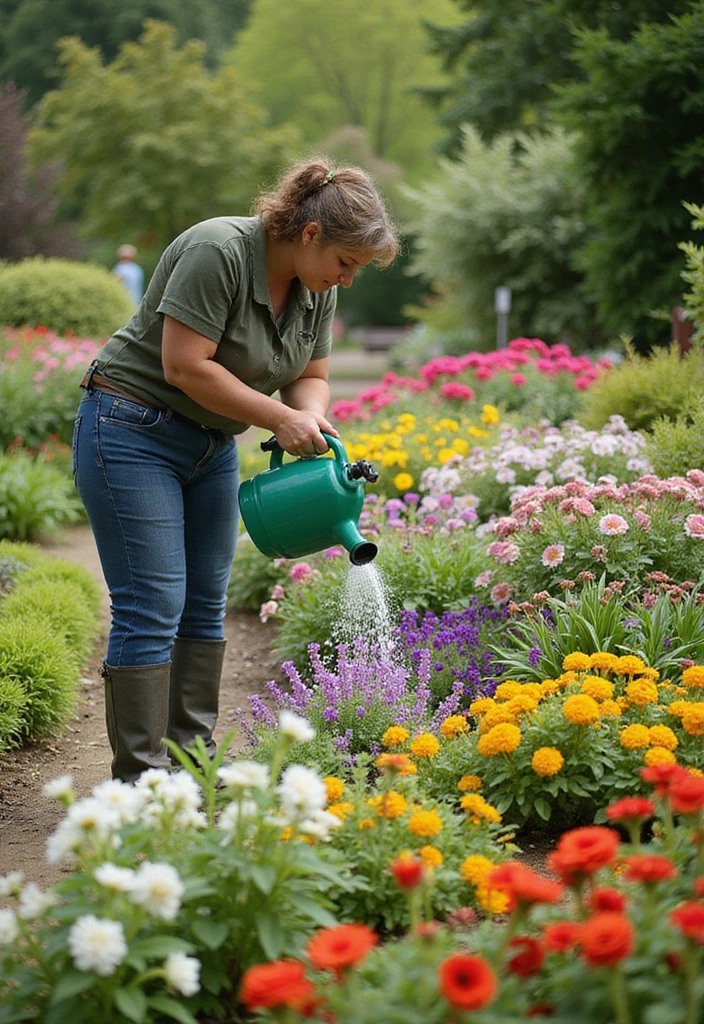
A beautiful hummingbird and butterfly garden requires regular maintenance to keep it thriving. With a few simple practices, you can ensure your garden remains a healthy environment for these pollinators. Here are some maintenance tips: - Water your plants regularly, especially during dry spells, to keep them healthy and blooming. An excellent tool for this task is the garden hose with adjustable nozzle. This expandable hose is easy to maneuver and perfect for reaching different areas of your garden. - Deadhead spent blooms to encourage new growth and prolong flowering. For this, consider using gardening shears for deadheading. These bypass pruning shears are designed with a sharp, rust-resistant steel blade, making the process quick and efficient. - Keep an eye out for pests, but remember to avoid harmful pesticides that could threaten your butterflies and beneficial insects. A great alternative is natural pest control spray. This peppermint oil-based solution is safe for your garden and effectively repels a variety of unwanted pests without harming your pollinators. Regular care will not only enhance the beauty of your garden but also support the creatures that call it home. A little effort goes a long way!
Creating a Seasonal Plan for Your Garden
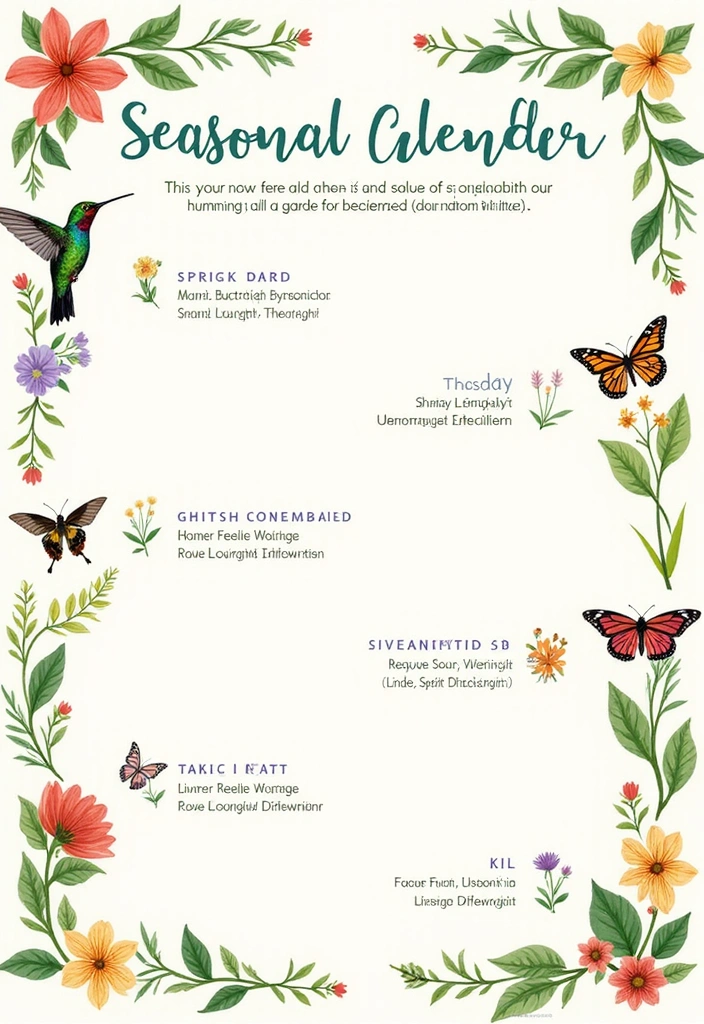
Planning for all seasons can make your hummingbird and butterfly garden a year-round attraction. Each season brings unique opportunities and challenges, so consider how you can adapt your garden throughout the year. In spring, focus on planting new blooms and nurturing young plants. This is the perfect time to introduce pollinator-friendly flower seeds that include 18 varieties of non-GMO flowers specifically chosen to attract hummingbirds and butterflies. Summer is the peak time for visits, so ensure your water sources are clean and accessible; a garden water fountain not only adds beauty but also provides a refreshing water source for these pollinators. Fall is perfect for planting perennials that will provide spring blooms next year, while winter offers a time to reflect and prepare for the upcoming growing season. Developing a seasonal plan will keep your garden dynamic and ensure it continues to attract pollinators all year long. This foresight will make your garden a stunning sanctuary through every season.
Community Involvement Through Pollinator Gardens
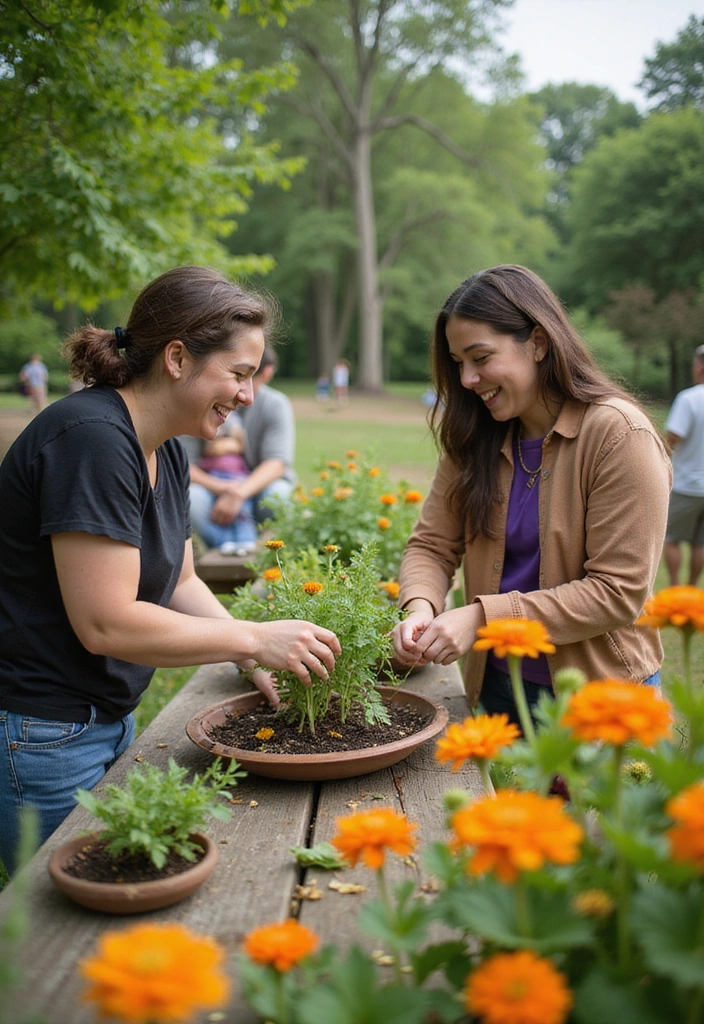
Bringing the community into your gardening efforts can enhance both the beauty and impact of your hummingbird and butterfly garden. Consider hosting workshops, sharing plants, or even creating a community garden specifically dedicated to these pollinators. Encouraging neighbors to plant similar gardens can increase the habitat available for butterflies and hummingbirds. You can start by organizing local workshops on gardening for pollinators, where you can share helpful resources like Pollinator Garden Seed Mix from Burpee, which contains 18 varieties of non-GMO flower seeds perfect for attracting these beautiful creatures. Sharing seeds or plants with neighbors promotes the growth of native species and fosters a sense of community. Consider setting up a seed exchange where everyone can contribute to the garden's diversity. To further enhance your garden, installing a hummingbird feeder can provide a reliable source of food, attracting more of these vibrant birds to your space. You might also want to create a friendly community challenge to see who can attract the most pollinators. To support butterflies specifically, suggest adding a butterfly house to their gardens; this wooden habitat not only provides shelter but also encourages butterflies to make your community garden their home. Collaborating with others amplifies the joy of gardening and supports local ecosystems, making your efforts even more impactful.
Using Garden Decor to Enhance Visual Appeal
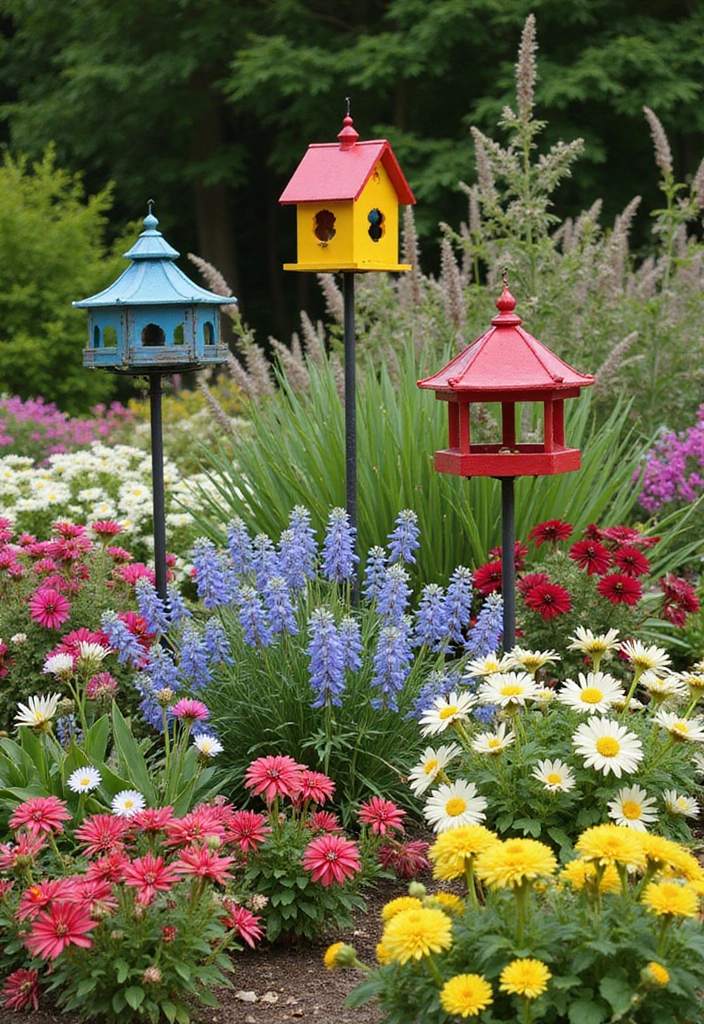
Incorporating garden decor can elevate the beauty of your hummingbird and butterfly garden while providing additional perches and resting spots. Choose items that are not only attractive but functional, too. Here are a few ideas: - Install colorful bird feeders to attract hummingbirds. Consider the colorful bird feeder, which features six ports, a durable design, and a large capacity, making it easy to clean and refill while drawing in those beautiful birds. - Add decorative stakes or garden art that draws the eye and encourages photo ops. The decorative garden stakes provide not only aesthetic charm with their crackle glass design but also illuminate your garden pathways, creating a magical atmosphere during evening hours. - Use labels for plants to educate visitors about the different species and their roles in attracting pollinators. The plant labels are a practical solution to keep your garden organized and informative, helping visitors learn about the important plants that support hummingbirds and butterflies. These decorative elements can create a charming atmosphere that enhances the overall garden experience.
Tracking Pollinator Activity in Your Garden
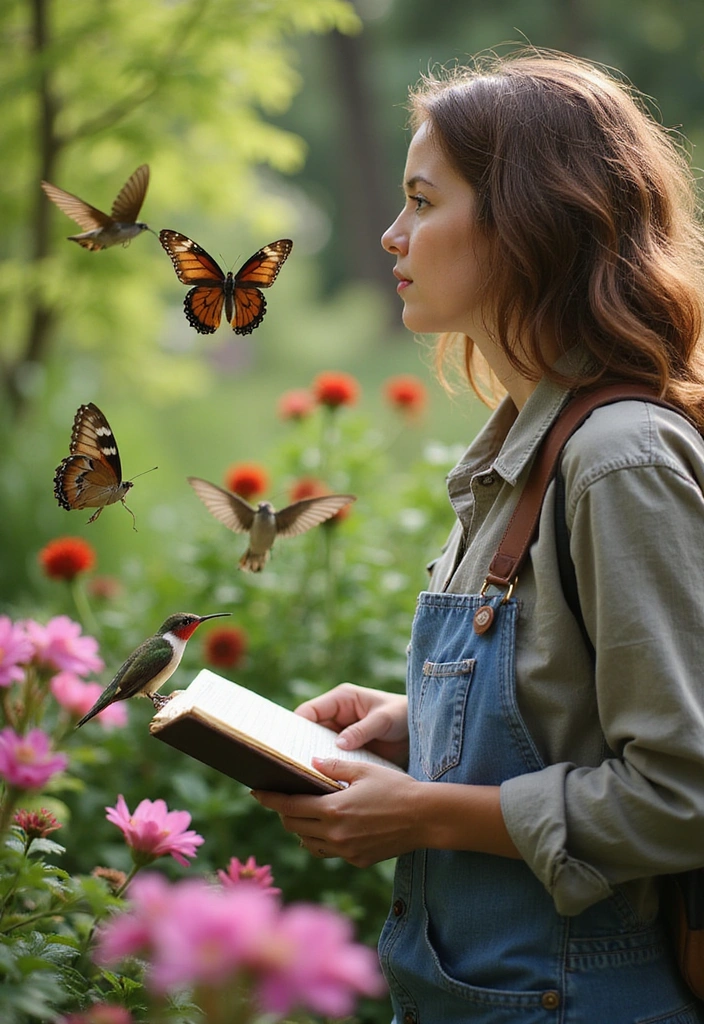
Observing and tracking the activity of butterflies and hummingbirds in your garden can be a delightful part of the gardening experience. Maintaining a journal, such as the Grow a Damn Plant Journal, can help you understand which plants attract the most visitors and how different seasons affect their activity. Consider the following: - Note the first sightings of butterflies and hummingbirds in your garden each year. - Record blooming times and which plants are most popular with your visitors. - Use apps or online platforms to share your findings and connect with other wildlife enthusiasts. Additionally, a resource like Ortho's All About Attracting Hummingbirds and Butterflies serves as a fantastic pollinator identification guide, helping you recognize the various species that visit your garden. For a more high-tech approach, you might want to invest in a wildlife camera, such as the Trail Camera - 4K 48MP Game Camera. This camera offers features like night vision and motion activation, allowing you to capture the activity of your pollinator guests without disturbing them. This practice not only enriches your gardening journey but also contributes valuable data to local conservation efforts.
The Joy of Photography in Your Garden

Documenting the beauty of your hummingbird and butterfly garden through photography can be incredibly rewarding. Capturing these delicate creatures in their natural habitat allows you to share your passion with others. To enhance your photography experiences, consider investing in a few essential tools. A reliable camera like the Canon EOS Rebel T7 DSLR Camera is a great choice. With its 24.1 MP CMOS sensor, built-in Wi-Fi, and Full HD video capabilities, this camera will help you capture the vibrant colors of your flowers and the intricate details of the insects that visit them. Patience is key; waiting for the right moment to photograph a butterfly or hummingbird in flight can make all the difference. To keep your camera steady during those long waits, a sturdy tripod like the JOILCAN Tripod can be invaluable. Standing at 74 inches tall and having a max load of 15 pounds, this professional-grade tripod is perfect for both your camera and your smartphone, ensuring you get the perfect shot every time. Additionally, experimenting with different angles and close-up shots can yield captivating results. A 58mm Close-up Filter Kit will give you the flexibility to explore macro photography, allowing you to capture those small details that often go unnoticed. This filter kit includes four different lenses for various levels of magnification, making it easy to focus on the beauty of your garden's tiny visitors. Photography can also serve as a wonderful way to track the growth of your garden over time, allowing you to showcase the mesmerizing transformations throughout the seasons. With the right equipment, you can create a stunning visual record of your garden that reflects your hard work and dedication.
Conclusion: A Garden of Life Awaits

Creating a hummingbird and butterfly garden is more than just a landscaping project; it’s an opportunity to connect with nature and support vital ecosystems. By choosing the right plants, incorporating water sources, and nurturing a welcoming environment, you can create a sanctuary that attracts a flurry of life. Every garden holds the potential to be a beautiful haven for pollinators and for you. Get started on this enchanting journey, and watch as your efforts blossom into a stunning landscape alive with color and movement. Note: We aim to provide accurate product links, but some may occasionally expire or become unavailable. If this happens, please search directly on Amazon for the product or a suitable alternative. This post contains Amazon affiliate links, meaning I may earn a small commission if you purchase through my links, at no extra cost to you.