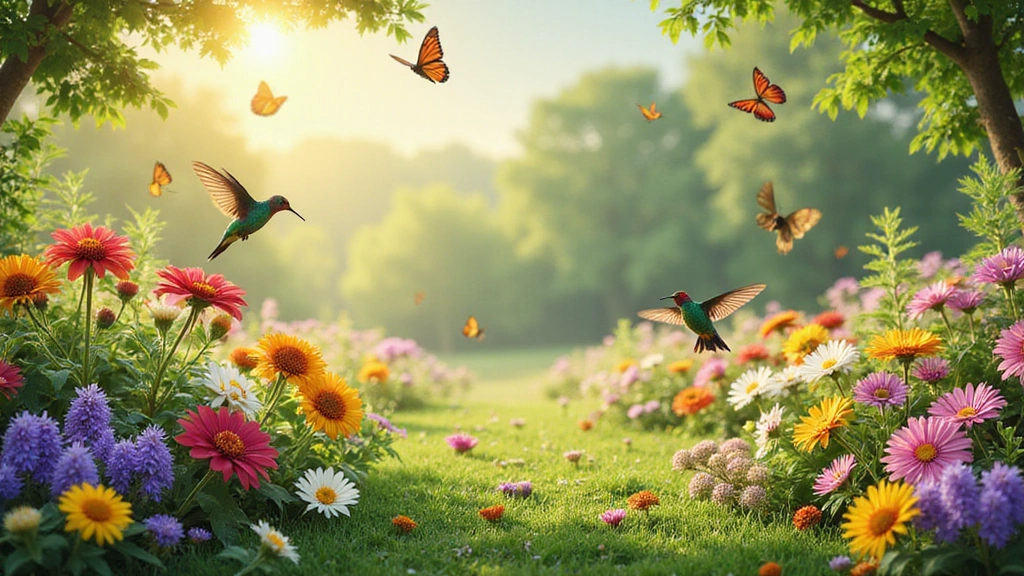

Creating a vibrant hummingbird and butterfly garden is more than just planting flowers; it’s about cultivating a lively habitat filled with color and activity. These beautiful creatures thrive in gardens that offer food, shelter, and a welcoming environment. With a little planning and some strategic plant selection, your garden can be a buzzing haven from spring through fall. From choosing the right flowers that attract these pollinators to adding specific features that enhance their stay, every step contributes to a flourishing garden. By the end, your yard will not only be a feast for the eyes but also a sanctuary for wildlife, bringing joy and beauty throughout the seasons. Get ready to turn your backyard into a bustling ecosystem, where the flutter of wings and the hum of nature are just outside your door.
Contents
- 1. Choose the Right Location
- 2. Select Native Plants
- 3. Ensure Continuous Blooming
- 4. Create Shelter and Nesting Sites
- 5. Water Features and Access Points
- 6. Avoid Pesticides and Herbicides
- 7. Provide Food Sources Beyond Flowers
- 8. Create Garden Paths and Resting Areas
- 9. Use Color Strategically
- 10. Keep Your Garden Clean
- 11. Encourage Community Participation
- 12. Celebrate Your Visitors
- 13. Educate About Pollinators
- 14. Adapt Over Time
- 15. Share Your Journey
1. Choose the Right Location
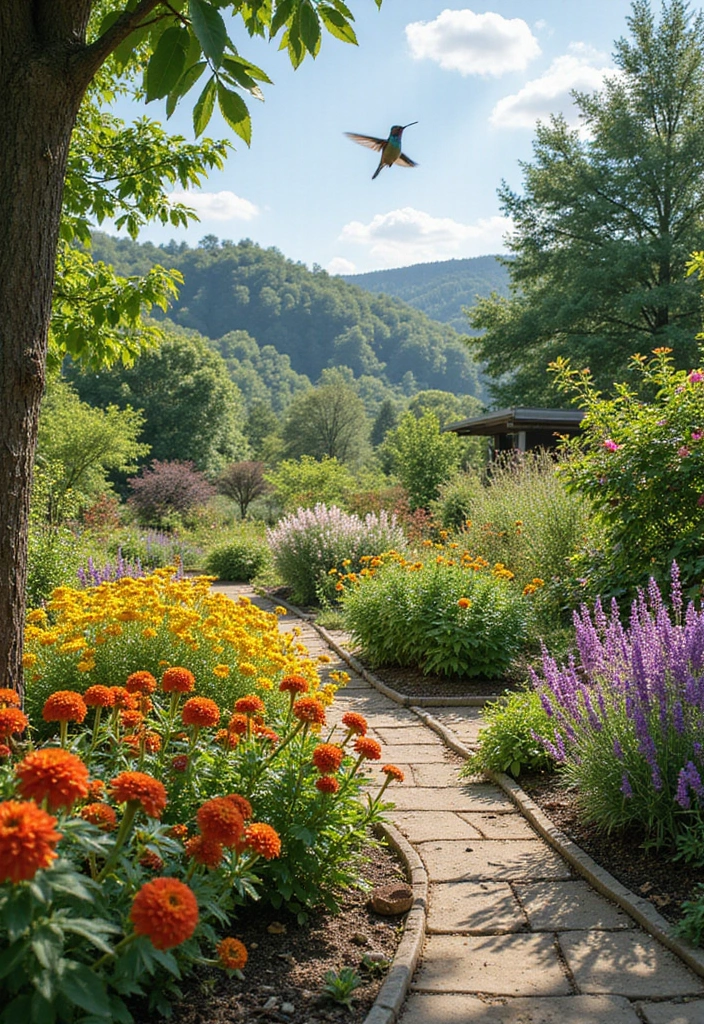
Location is key when creating a hummingbird and butterfly garden. Look for a spot that receives at least six hours of sunlight each day. Sunny areas are not just pleasant for you; they are also ideal for the flowers that will attract these lovely visitors. Choose a space that is sheltered from strong winds to ensure that the delicate butterflies can flit from flower to flower without being blown away. Consider using garden shrubs for wind protection, like Texas Sage, which can act as natural shields while also adding beauty to your landscape. A well-drained area is ideal, as waterlogged conditions can prevent plants from thriving. If you have a sloped yard, that can be beneficial too! The gradient provides natural drainage while also offering a variety of microclimates, allowing for a diverse range of plants. To ensure your soil is ready to support new growth, you might want to use a garden soil test kit. This kit will help you quickly and accurately analyze soil pH and nutrient levels, ensuring optimal conditions for your plants. Check your soil as well; it should be nutrient-rich and ready to support new growth. By carefully selecting your garden location and utilizing these products, you set the stage for a successful and beautiful wildlife haven. Don't forget to enrich your gardening knowledge with a garden planting guidebook like Stokes Beginner's Guide to Hummingbirds, which can provide further insights into attracting these delightful creatures to your garden.
2. Select Native Plants
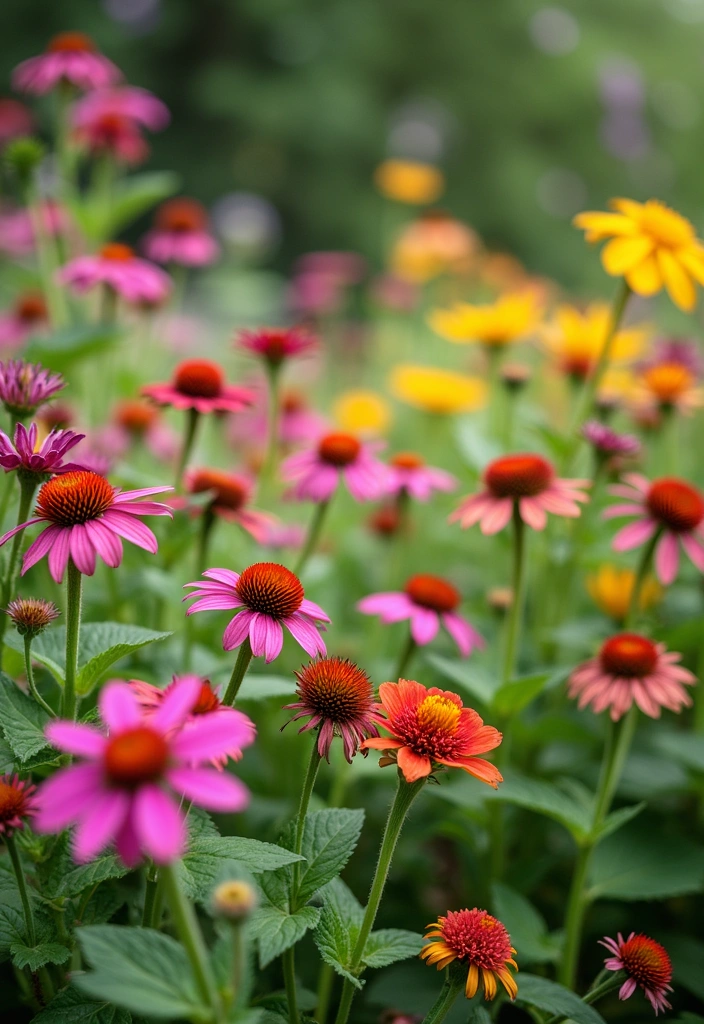
Choosing the right plants is crucial for attracting hummingbirds and butterflies. Native plants are specially adapted to your local climate and soil, making them more resilient and easier to maintain. They also provide the best nectar sources for these pollinators. Research local species that thrive in your area; consider adding a mix of annuals and perennials for continuous blooms throughout the seasons. For hummingbirds, opt for tubular flowers like trumpet vine, bee balm, and salvia. These provide the nectar they crave while also showcasing vibrant colors that will brighten your garden. Butterflies, on the other hand, are drawn to flat-topped flowers where they can easily land and sip nectar. Some great options include aster, coneflower, and milkweed, which is also a host plant for monarch butterflies. To make your garden thrive, consider using Miracle-Gro water soluble all purpose plant food to ensure your plants stay healthy and vibrant. This fertilizer is great for both your flowers and any vegetables or trees you might have, providing the necessary nutrients to support your garden's growth. Additionally, enhance your pollinator garden with a diverse mix of plants by purchasing Burpee wildflower 25,000 bulk seed mix. This collection includes 18 varieties of non-GMO flower seeds that will attract a wide range of pollinators, ensuring continuous blooms that will delight both you and the wildlife. - Hummingbird favorites: trumpet vine, bee balm, salvia - Butterfly favorites: aster, coneflower, milkweed - Mix plants: include both annuals and perennials - Research native species: consult local garden centers - Seasonal blooms: plan for continuous flowering By planting native species and utilizing the right products, you not only support local wildlife but also create a stunning landscape that changes with the seasons.
3. Ensure Continuous Blooming
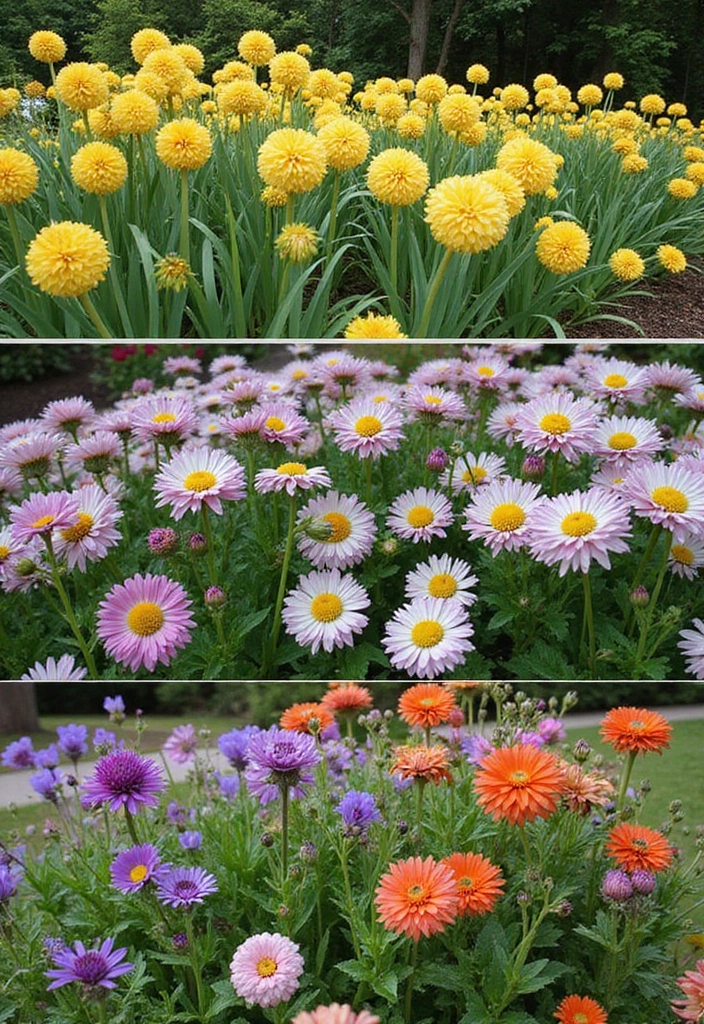
A garden that blooms all season long is essential for keeping hummingbirds and butterflies returning. To achieve this, it's important to select a variety of plants that flower at different times throughout the growing season. This way, there’s always something in bloom, offering a reliable source of nectar. Begin with early bloomers like crocus and daffodils in spring, followed by mid-season favorites like daylilies and echinacea. As summer rolls in, continue with flowering plants such as zinnia dahlia seeds pack for vibrant colors that attract pollinators. In the fall, asters and sedum will provide those last sweet sips before winter. To help you plan your garden effectively, consider using a garden bloom calendar planner. This will allow you to visualize the blooming schedule of your plants, ensuring that you have flowers throughout the season. Additionally, to support the overall health and blooming potential of your plants, using organic fertilizer for flowering plants can provide the nutrients they need. With this careful planning and the right resources, you'll create a haven that transitions beautifully through the seasons while consistently providing food for your fluttering friends.
4. Create Shelter and Nesting Sites
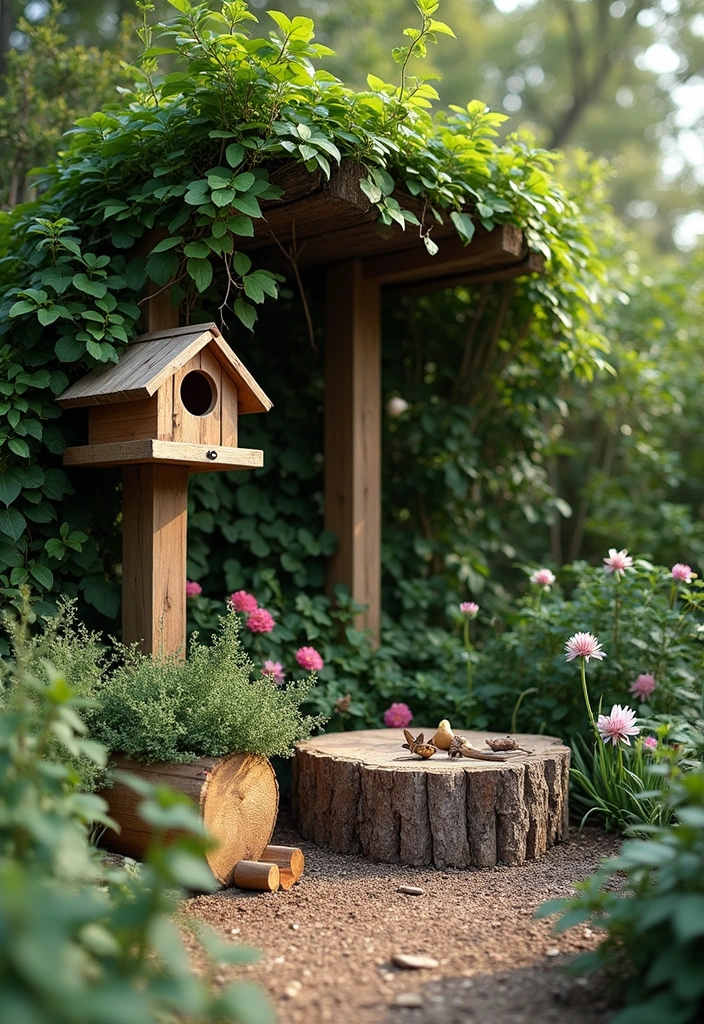
Shelter is a vital component of any hummingbird and butterfly garden. Both need places to hide from predators and harsh weather. Consider adding shrubs, small trees, or even a brush pile. Dense foliage provides excellent cover and nesting opportunities, especially for butterflies. In addition, if you have space, consider installing birdhouses or butterfly boxes. For instance, a birdhouse for hummingbirds can encourage nesting in your garden, providing a safe haven for these beautiful birds to thrive. Remember to place them in quiet areas away from disturbances and keep them clean for optimal use. For butterflies, a butterfly house can offer essential nesting spots, while also enhancing the aesthetics of your garden. These structures can greatly increase the likelihood of butterflies laying their eggs in your space. Additionally, including rocks and logs serves multiple purposes. Not only do they provide warmth and resting spots for butterflies basking in the sun, but they can also add visual interest to your garden. Consider using garden rocks for landscaping to create warm resting places and enhance the overall design of your outdoor space. By integrating these essential elements into your garden, you'll invite more wildlife into your space, enriching your gardening experience while supporting the needs of hummingbirds and butterflies. Regular maintenance is crucial—keep all shelters clean and tidy to ensure they remain welcoming habitats.
5. Water Features and Access Points
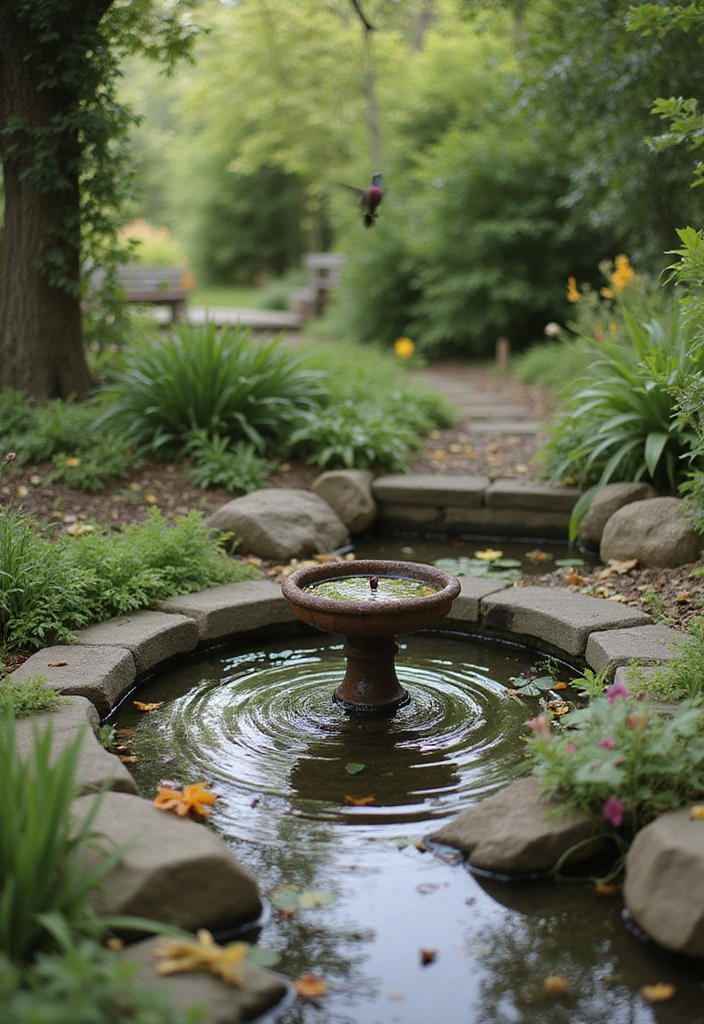
Water is a critical element not just for plant growth but also for attracting wildlife. Adding a water feature, such as a small pond or birdbath, can help create a refreshing oasis for hummingbirds and butterflies. These creatures need water for drinking and bathing, and a gentle trickle or splash makes your garden even more enticing. When installing a birdbath, consider using a birdbath with shallow area. This type of birdbath features a removable bowl and provides safe landing spots for butterflies. You can also enhance the bathing experience by adding decorative stones or pebbles, like decorative stones for garden, which create additional landing spots and add a beautiful touch to the setup. Be sure to keep the water clean and refreshed regularly to maintain its appeal for your winged visitors. If you opt for a pond, consider incorporating aquatic plants such as aquatic plants for ponds. These plants not only enhance the beauty of your water feature but also provide shade and habitat for small creatures. With these water elements in place, your garden transforms into a vibrant habitat where wildlife can thrive and flourish.
6. Avoid Pesticides and Herbicides
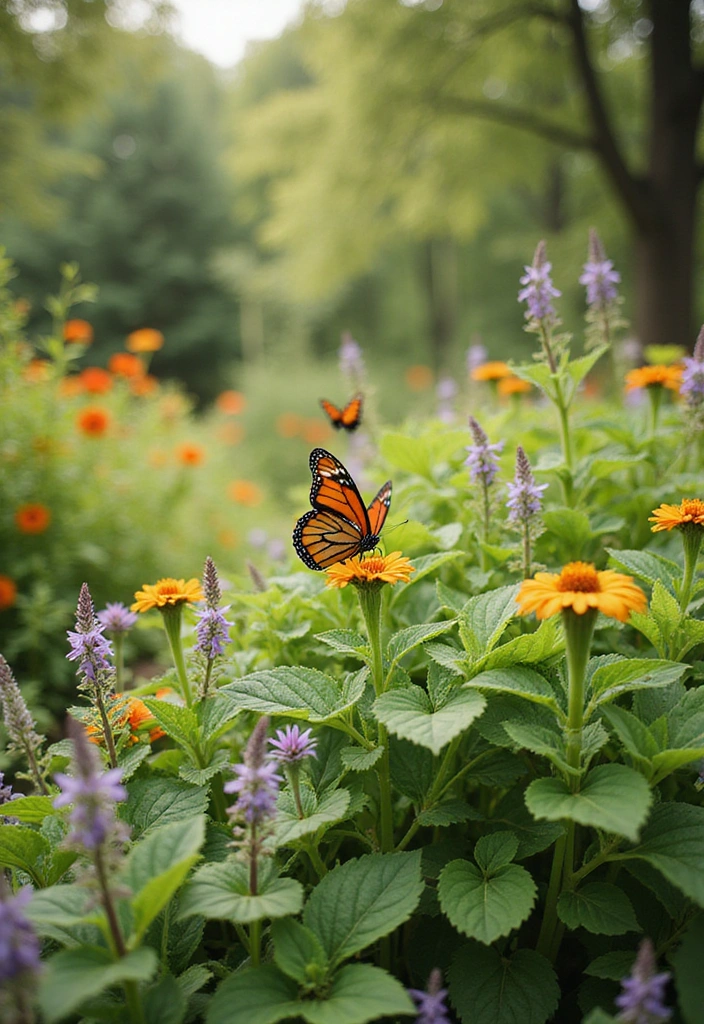
Keeping your garden free from pesticides and herbicides is crucial for the health of your hummingbird and butterfly haven. These chemicals can harm not only the insects you want to attract but also the plants that provide them shelter and food. Instead, consider integrating organic gardening practices that support biodiversity and protect these delicate creatures. Companion planting can be incredibly effective; pairing certain plants together can naturally repel pests without harming pollinators. For guidance on which plants to combine, you might find the companion planting guidebook helpful. It offers tips on how to choose complementary species that keep pests at bay. Hand-picking pests is another effective method, along with using natural deterrents like Bonide Captain Jack's neem oil or Garden Safe insecticidal soap. These products support organic gardening by effectively managing pests while being safe for beneficial insects. Education is key—understanding the lifecycle of common garden pests can help you prevent outbreaks naturally. By avoiding harmful chemicals, you’ll create a safe and inviting environment for pollinators all season long.
7. Provide Food Sources Beyond Flowers
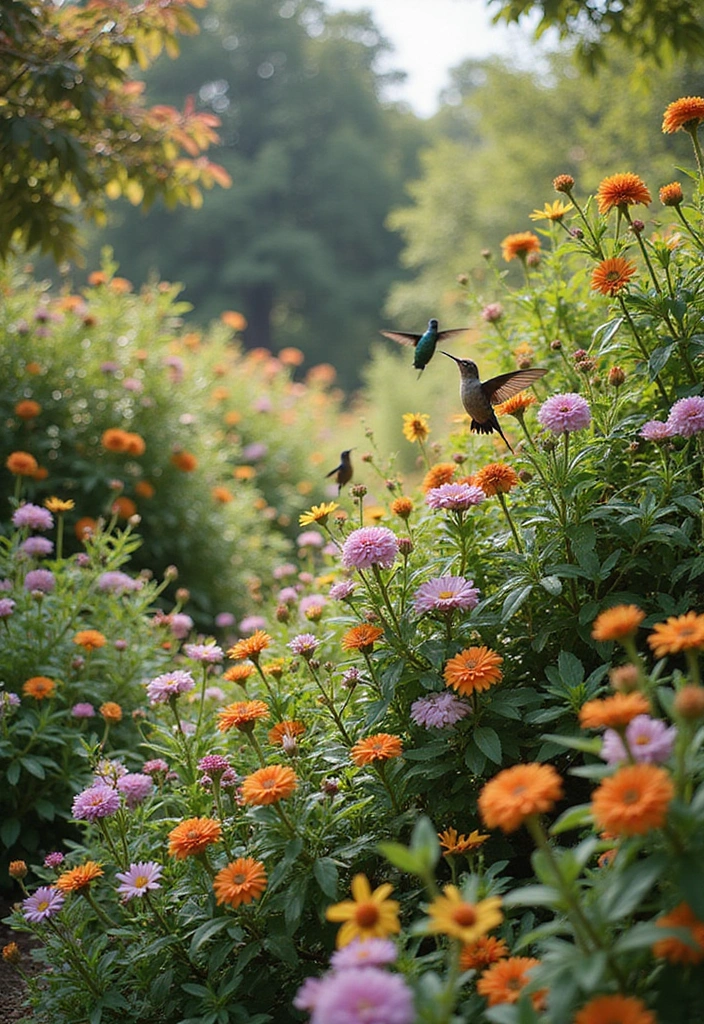
While flowers provide essential nectar, it’s beneficial to offer additional food sources to keep hummingbirds and butterflies nourished. Consider including plants that produce seeds or fruits, which can help sustain these visitors, especially during lean seasons. For instance, incorporating sunflowers not only attracts pollinators with their vibrant blooms but also provides nutritious seeds in late summer. You can find a great selection of seeds with the Hummingbird Butterfly Mix - Large 2,500mg Envelope, which includes 500 flower seeds perfect for planting. For butterflies, host plants are critical. These are the plants where they lay their eggs, and which caterpillars feed on. Including milkweed plants is a must-have for attracting monarchs, as it provides the essential habitat for their life cycle. Additionally, consider parsley, which is favored by swallowtail butterflies. Fruits can also play a significant role, so think about adding berry bushes to your garden. A great option is the Maxine's Opus honeyberry bush, a dormant fruit-bearing starter plant that can provide delicious berries while also offering sustenance to visiting pollinators. The more varied your plant selection, the more diverse your visitors will be! Keep in mind that diversity is key, as having a broader range of plants encourages more pollinators. Additionally, planning for seasonal variety will ensure year-round food sources. By offering a mix of these options, you’ll create a thriving environment where both hummingbirds and butterflies can flourish.
8. Create Garden Paths and Resting Areas
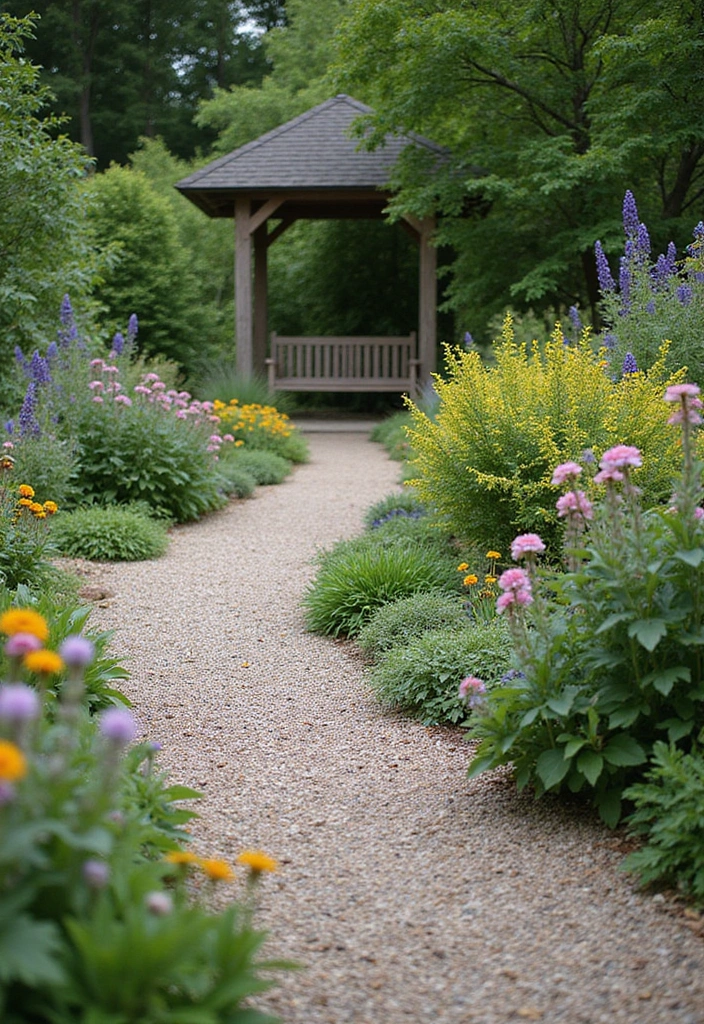
Creating paths and resting areas in your garden not only adds to the overall aesthetic but also enhances the habitat for hummingbirds and butterflies. Wide, winding paths made from natural materials like natural gravel for garden paths can provide easy access to different parts of your garden. These paths invite you to explore while allowing butterflies and hummingbirds to navigate through the blooms. Designate specific spots where you can relax and enjoy the beauty of your garden. A sturdy wooden garden bench can create the perfect spot for you to observe the activity around you, offering comfort with its backrest and armrests. Additionally, adding some shade with a pergola canopy gives butterflies a cool spot to rest when the sun gets too hot. These elements not only improve the garden's usability but also make it a welcoming space for both you and the wildlife. You’ll find that having well-defined paths and cozy resting areas enhances your garden experience while supporting the local ecosystem.
9. Use Color Strategically
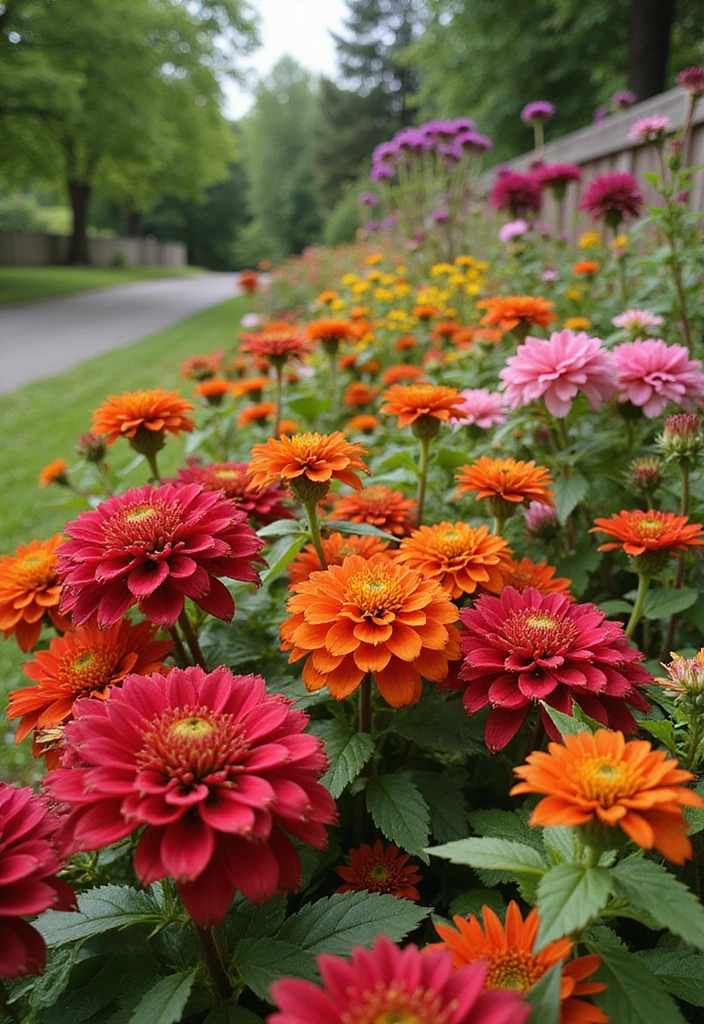
Color plays a significant role in attracting hummingbirds and butterflies. Bright, vivid colors like red, orange, and pink are especially appealing to hummingbirds, as these shades signal a nectar-rich treat. Consider planting clusters of these colors together to create a stunning visual impact that draws these magnificent creatures in. To help you get started on creating your colorful garden, consider using a mix like the Burpee Wildflower 25,000 Bulk, 1 Bag, 18 Varieties of Non-GMO Flower Seeds Pollinator Garden, Pollinator Mix. This flower seed assortment is designed specifically to attract pollinators, giving you a wide variety of vibrant blooms that will appeal to both hummingbirds and butterflies. For butterflies, you can expand your palette to include whites, yellows, and blues, as these insects are drawn to a variety of colors. Planting flower beds in waves of color can create a beautiful backdrop while also serving as a visual guide for pollinators. Combining flowers with different heights and shapes adds even more interest and beauty. To keep your gardening efforts organized and ensure you’re maximizing your bloom potential, consider the Clever Fox Gardener’s Journal – Guided Gardening Notebook to Plant Vegetables, Flowers & Herbs – 5-Year Garden Log Book for Beginners. This gardening guide book will help you track your plantings and plan your color schemes effectively, allowing you to create the eye-catching garden that’s irresistible to your tiny flying friends. - Bright Colors: Use reds, oranges, and pinks for hummingbirds - Diverse Palette: Incorporate whites, yellows, and blues for butterflies - Color Clusters: Group flowers by color for visual impact - Height Variation: Mix tall and short plants for interest - Waves of Color: Create patterns in flower beds. By strategically using color and utilizing these helpful products, you can cultivate a garden that invites hummingbirds and butterflies all season long.
10. Keep Your Garden Clean
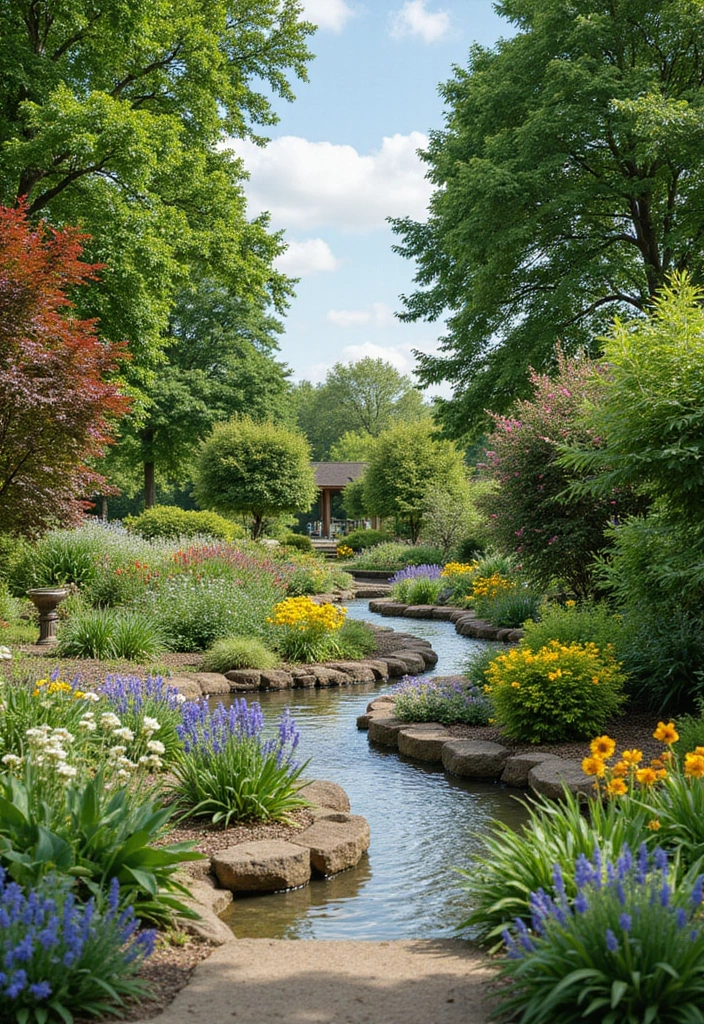
A clean garden is essential to maintaining a healthy environment for hummingbirds and butterflies. Regularly removing any dead plants or debris helps prevent pests and diseases that can threaten your plants and wildlife. Consider using garden pruning shears to easily trim back overgrown areas and deadhead flowers, encouraging new growth while keeping your garden looking tidy. It's also important to clean your water features, ensuring that birds and butterflies have access to fresh water for drinking and bathing. Utilizing birdbath cleaner can help maintain the cleanliness of your birdbaths and fountains, making them inviting spots for your garden visitors. Regularly checking for any signs of pests or disease is crucial. Early intervention can help manage problems before they escalate, ensuring a thriving garden. A natural solution like organic pest control spray made from peppermint oil is effective against common garden pests without harming your wildlife. By dedicating time to upkeep, you'll create a sanctuary that continues to flourish throughout the seasons.
11. Encourage Community Participation
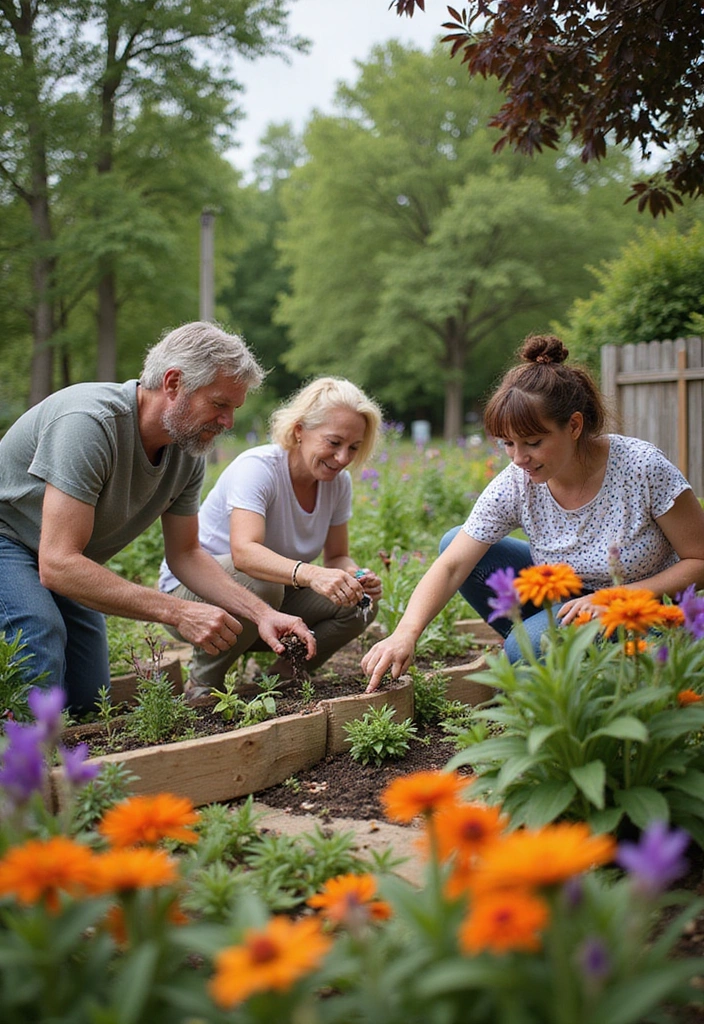
Creating a hummingbird and butterfly garden isn’t just a solo project. Get your neighbors involved and encourage them to plant their own gardens too! Communities that value wildlife can work together to create a network of colorful gardens that support pollinators on a larger scale. Share tips, plant swaps, or even host gardening events. To attract more hummingbirds and butterflies to your collective gardens, consider adding pollinator-friendly flower seeds to your planting lists. With 18 varieties of non-GMO flower seeds, these can help ensure your garden blooms beautifully all season long, providing essential food sources for these crucial pollinators. Organizing neighborhood gardening days can create a sense of community while beautifying the local area. Enhance your gatherings by using resources like a bird and butterfly feeder. This unique glass feeder not only attracts hummingbirds but also adds charm to your outdoor space, making it a delightful focal point during your events. You can also work together to monitor and report on the wildlife that visits your gardens, enriching everyone’s experience. Consider establishing a community garden where everyone can contribute and share in the bloom. - Neighbor involvement: Encourage local participation - Plant swaps: Exchange plants and ideas with others - Gardening events: Host community gardening days - Wildlife monitoring: Share observations and experiences - Community garden: Create a shared space for all. With community effort, your garden can become part of a larger movement that supports wildlife and enhances the local landscape.
12. Celebrate Your Visitors

Once your garden is thriving, take the time to celebrate the wildlife that visits. Set up a comfortable seating area using an outdoor garden bench where you can relax and appreciate the beauty of your surroundings. Bring out a camera, like a digital camera for wildlife photography, to capture the magic of butterflies landing on flowers or hummingbirds darting around. Consider keeping a journal, such as nature journal for observations, to log the species you see and the times of year they visit. This can help you appreciate the unique patterns of your garden's activity. Engaging with nature in this way can deepen your connection with the environment and inspire you to continue improving your garden. - Relaxing spot: Create a comfortable area to observe - Photography: Capture the beauty of your visitors - Nature journal: Log species and observations - Stay engaged: Appreciate the patterns of wildlife - Invite friends: Share your garden experience with others. By taking the time to enjoy your garden, you’ll foster a love for nature that inspires a lifetime of gardening and wildlife support.
13. Educate About Pollinators
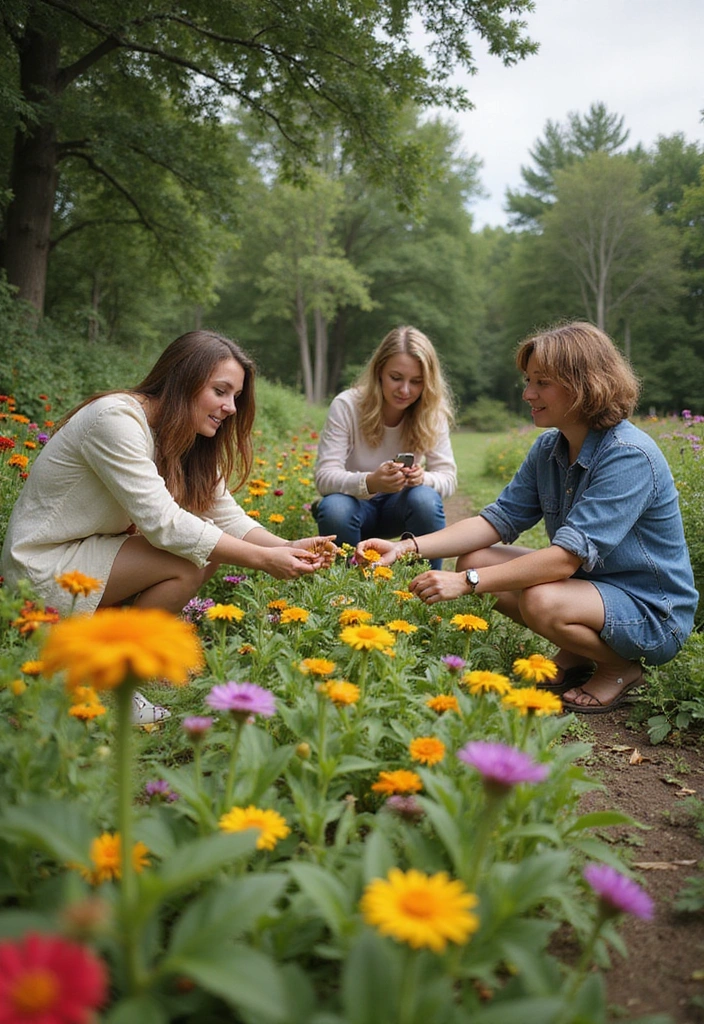
As you create your hummingbird and butterfly garden, consider educating yourself and others about the importance of pollinators. Hosting workshops can be an excellent way to share valuable information, and for that, you might find the Pollinator Garden Workshop Guidebook particularly helpful. This guide contains everything you need to know about these fascinating creatures, enhancing your ability to teach others. Additionally, creating informational signs in your garden can elevate the educational experience for visitors. The garden educational sign kit includes modern decor and cutouts that can serve as markers, effectively communicating the life cycles and needs of pollinators to those who admire your garden. You can also further enrich your garden by choosing plants that attract hummingbirds and butterflies. Consider planting a variety of flowers with the wildflower seed mix for pollinators, which features 18 varieties of non-GMO seeds specifically designed to attract these vital creatures. Creating educational content for social media or community boards can also help spread awareness about pollinators' crucial roles in food production and the environment. By promoting wildlife compassion in your community, you not only enrich your own garden but also foster a greater appreciation for nature.
14. Adapt Over Time
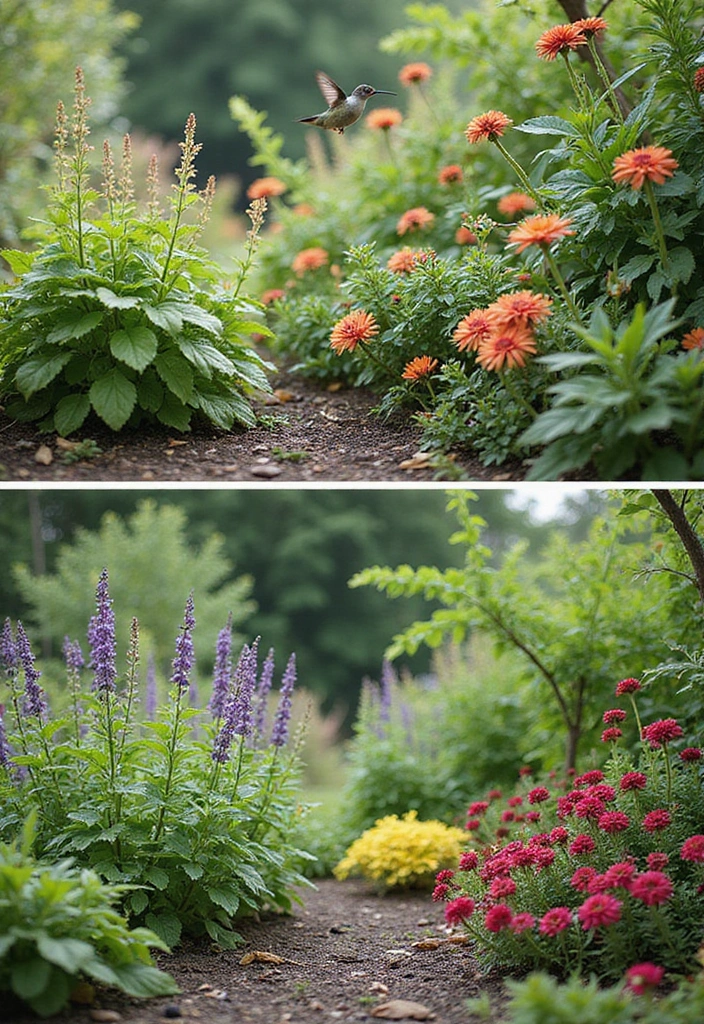
A hummingbird and butterfly garden is a living, breathing ecosystem that evolves over time. As seasons change and new plants flourish, it’s essential to be open to adapting your garden based on what works and what doesn’t. Keeping track of which plants attract the most wildlife can help you refine your selections in future seasons. For this purpose, using a garden journal like "Grow a Damn Plant Journal" can be incredibly helpful. Documenting your observations will allow you to see patterns and make informed decisions about your plant choices. Don’t hesitate to experiment! Try new plants or different arrangements to see how they attract wildlife. A fantastic option for introducing variety is the wildflower seed mix, which contains 18 varieties of non-GMO flower seeds specifically chosen to attract hummingbirds and butterflies. As you learn more about your local environment and the specific needs of your visitors, you can make thoughtful changes that enhance your garden’s appeal. This journey of discovery can be incredibly rewarding. - Keep records: Note what attracts the most wildlife - Experiment: Introduce new plants and designs - Observe changes: Monitor how wildlife interacts - Be flexible: Adapt to what works best for your space - Enjoy the growth: Celebrate your evolving garden To help keep track of your plantings and their locations, consider using garden plant labels. These waterproof tags allow you to mark each plant, making it easier to observe what thrives in your garden. By embracing change, you’ll create a dynamic garden that continues to thrive and attract wildlife season after season.
15. Share Your Journey
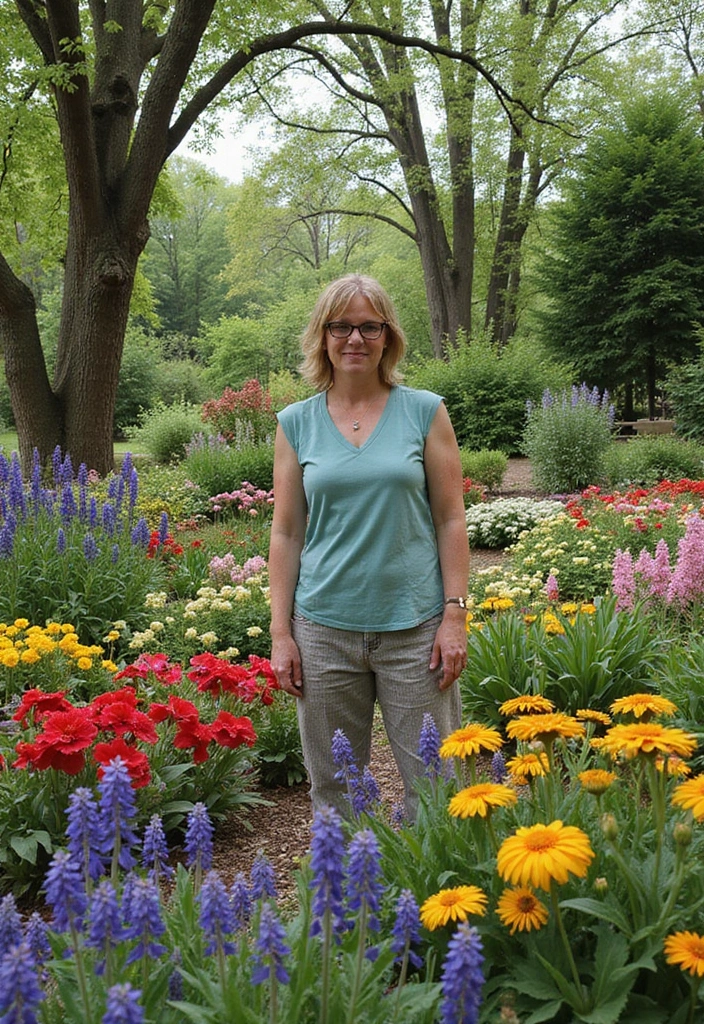
Don’t forget to share your gardening journey with others! Documenting your progress on social media or through a blog can inspire others to create similar spaces. Sharing tips, challenges, and successes encourages people to embrace gardening as a means to connect with nature. For tracking your progress, consider using a garden journal for tracking progress. This journal can help you keep notes on what works and what doesn’t in your hummingbird and butterfly garden, making it easier to share your experiences with your community. Engaging with online gardening communities can also offer support and new ideas, enhancing your experience. By sharing your love for hummingbird and butterfly gardens, you help create a ripple effect that promotes wildlife conservation and appreciation. For attracting those beautiful creatures, you might want to add a bird and butterfly feeder to your garden. This feeder will provide a source of nourishment for hummingbirds, making your garden an inviting haven for them and enhancing your gardening experience. As you post updates and tips on social media, consider using pollinator-friendly flower seeds to encourage others to start their own gardens. This mix of 18 varieties of non-GMO flower seeds helps create a vibrant ecosystem that supports pollinators. By sharing your journey and the resources you find helpful, you’ll foster a collective spirit of environmental stewardship, ensuring that these beautiful creatures continue to thrive. Encourage others to develop their own gardens and join in on the joy of nurturing nature!
Conclusion: Embrace the Beauty of Nature

Creating a hummingbird and butterfly garden is a beautiful journey that invites wildlife into your home and enriches your life. By following these steps, you not only create a vibrant habitat but also foster a deep connection with nature. As your garden thrives, enjoy watching the dance of hummingbirds and the flutter of butterflies, knowing you’ve made a positive impact in your environment. Embrace the joy of gardening, share your experiences, and inspire others to join in this rewarding endeavor. Together, we can create a world where these vital pollinators flourish and continue to beautify our lives. Note: We aim to provide accurate product links, but some may occasionally expire or become unavailable. If this happens, please search directly on Amazon for the product or a suitable alternative. This post contains Amazon affiliate links, meaning I may earn a small commission if you purchase through my links, at no extra cost to you.