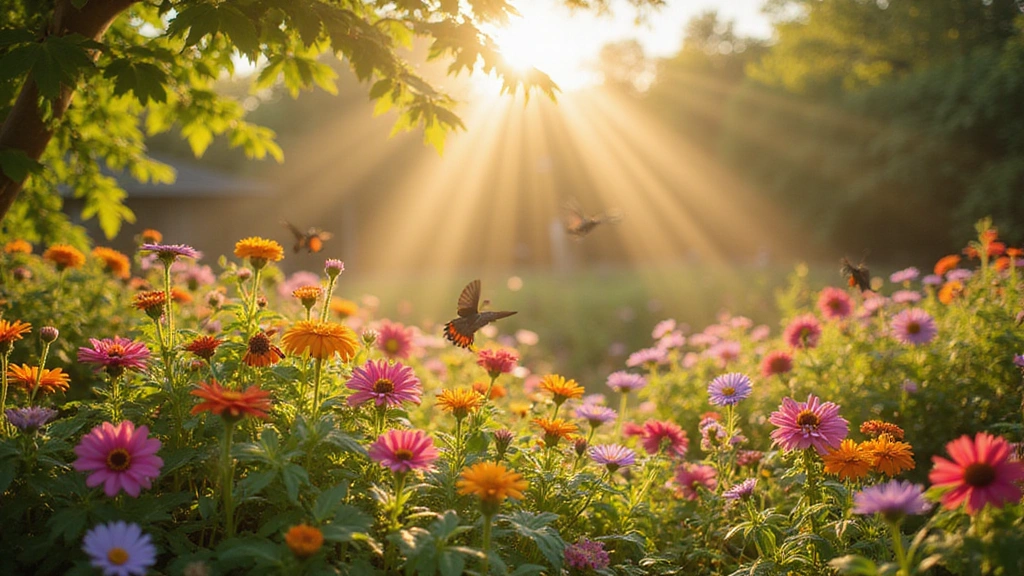

Imagine stepping into your backyard, greeted by the delightful dance of butterflies and the cheerful hum of hummingbirds flitting from flower to flower. Creating a pollinator garden is like painting a masterpiece, with each bloom adding color and life to your outdoor space. In a world where these beautiful creatures need our help, turning your garden into a safe haven for them not only brightens your surroundings but also supports local ecosystems. Get ready to embrace the beauty of nature as we guide you through the steps to cultivate a bird and butterfly paradise right at home!
Contents
- Choosing the Right Location for Your Pollinator Garden
- Selecting the Right Plants for Hummingbirds and Butterflies
- Creating Layers for Shelter and Safety
- Providing Water Sources for a Refreshing Oasis
- Implementing Organic Gardening Practices
- Creating a Pollinator-Friendly Landscape Design
- Staying Seasonal: Adapt Your Garden Year-Round
- Encouraging Community Support for Pollinators
- Incorporating Art and Decor for Added Charm
- Utilizing Technology to Monitor Your Garden
- Learning About Your Local Pollinator Species
- Harvesting and Enjoying Your Garden's Produce
- Enjoying the Beauty of Your Garden
- Celebrating Your Successes
Choosing the Right Location for Your Pollinator Garden
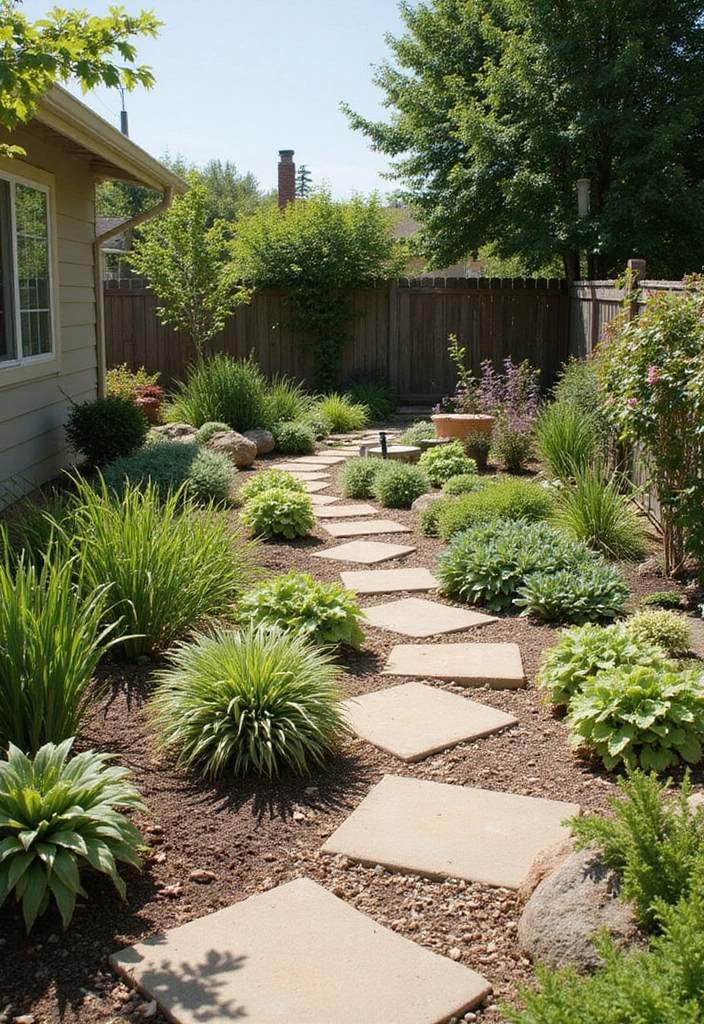
The success of your garden often starts with selecting the right spot. Look for a space that gets plenty of sunlight, ideally six to eight hours a day, as most flowering plants thrive in bright conditions. Avoid areas with strong winds; planting near a natural windbreak like a fence or shrub can protect delicate pollinators. One excellent option for creating a windbreak is the 10 Austree Hybrid Willow Trees, fastest growing shade or privacy tree. These trees are perfect for providing shelter while enhancing the beauty of your garden. Also, consider proximity to water sources such as birdbaths or small ponds, which can serve as essential watering spots. To add both functionality and charm to your garden, a birdbath with fountain is a fantastic choice. This not only offers a refreshing drink for birds and butterflies but also adds a soothing ambiance to your backyard. Key Tips: - Assess sunlight exposure throughout the day. - Check for natural windbreaks and water sources nearby. - Leave room for growth; plants will spread over time. Taking time to plan your location can make all the difference. Birds and butterflies are more likely to feel at home in a welcoming, safe environment, especially when you provide them with inviting features like shelter and water sources.
Selecting the Right Plants for Hummingbirds and Butterflies
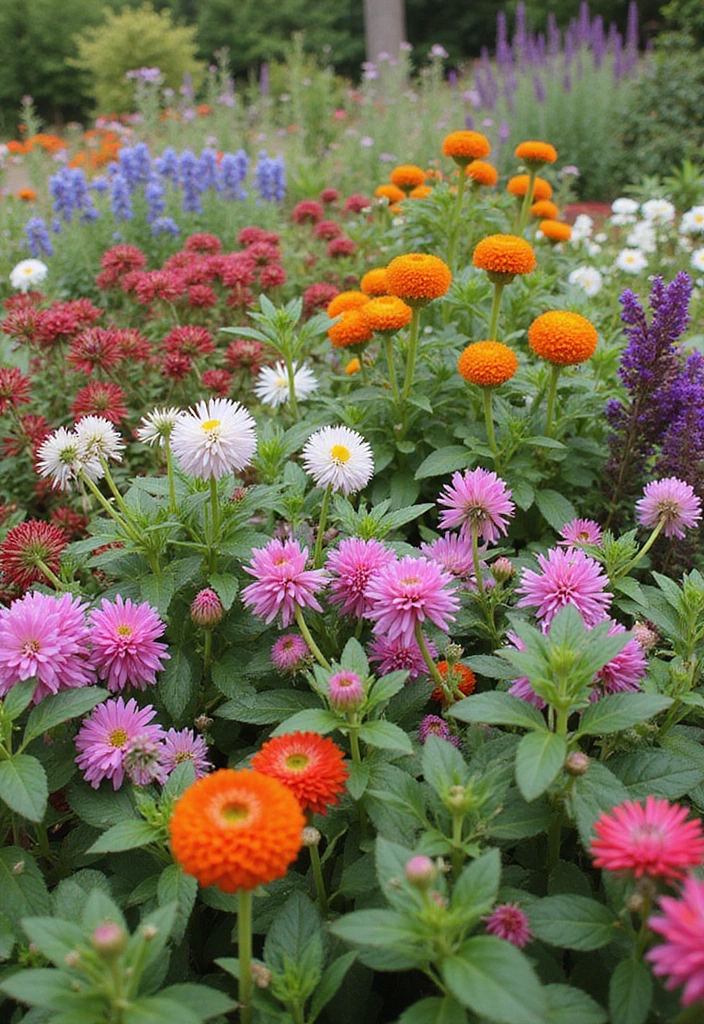
Your choice of plants plays a crucial role in attracting and supporting pollinators. Native plants are your best bet; they are adapted to your local environment and provide the right food sources for local species. Opt for a variety of plants that bloom at different times, ensuring there's always something flowering throughout the growing season. Hummingbirds are particularly fond of tubular flowers like trumpet vine and bee balm, while butterflies are drawn to nectar-rich blooms such as coneflowers and milkweed. To enhance your garden, consider using native wildflower seed mix, which includes over 7,500 native seeds ideal for attracting local pollinators. This mix will help ensure a continuous blooming cycle in your garden, providing essential food sources for both hummingbirds and butterflies. For your hummingbird guests, a well-placed hummingbird feeder can make a significant difference. This beautifully designed feeder, with its unique blue fireworks pattern, not only serves as a source of food but also adds a decorative element to your outdoor space. Including a feeder ensures that hummingbirds have a reliable nectar source, encouraging them to visit regularly. To support butterflies, you might want to add a butterfly house to your garden. This wooden habitat provides a safe nesting area for butterflies and other beneficial insects while complementing your garden’s aesthetic. By offering a sanctuary, you can help increase the butterfly population in your area, making your garden even more vibrant. Mixing perennials and annuals ensures your garden remains lively year after year. And don’t shy away from adding a few herbs like lavender and mint—they not only smell great but also attract these lovely creatures!
Creating Layers for Shelter and Safety
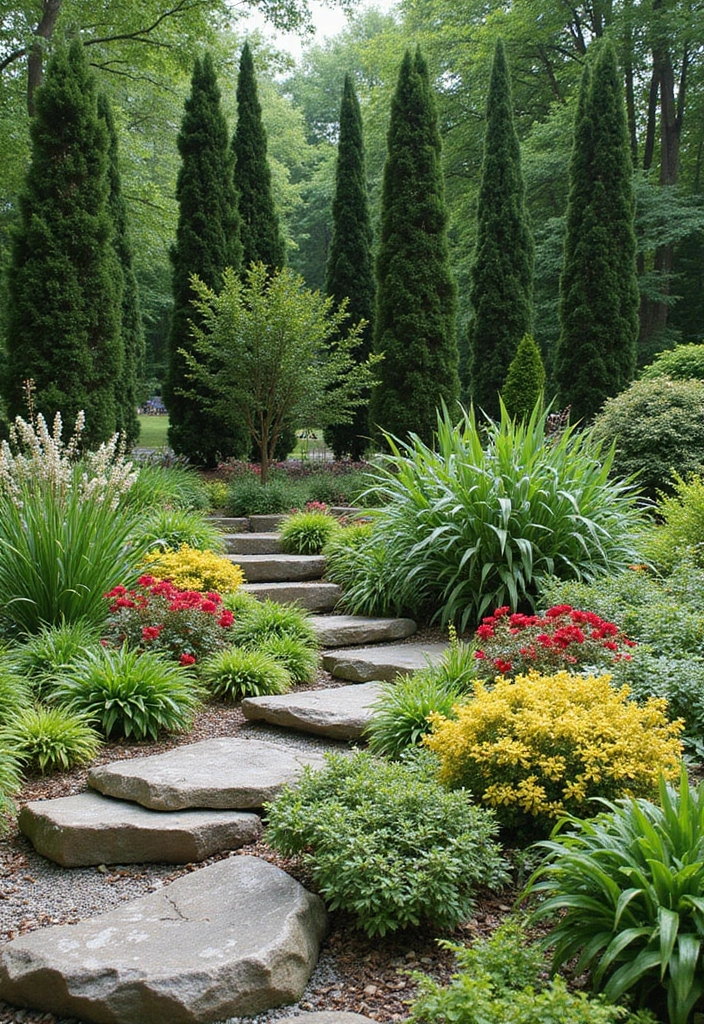
Pollinators need protection from predators and harsh weather. Creating layers in your garden helps provide shelter and a safe haven for them. Start with tall plants at the back, medium-sized plants in the middle, and lower ground covers in front. A great addition to your garden is a garden trellis. This will support climbing plants and add vertical interest, creating additional layers and hiding spots for butterflies. Incorporating grasses and shrubs can offer even more shelter while giving your garden a multi-dimensional look. Consider using a native grasses seed mix to promote a wildlife-friendly environment. This premium mix of blue grama, buffalo, and sideoats grama grass is not only heat and drought-tolerant but also provides essential habitat for pollinators. Adding natural elements like rocks can further enhance your garden's appeal and functionality. Decorative features such as decorative garden rocks can serve as basking spots for butterflies while also providing safe havens for caterpillars. Layering Tips: - Use trellises or arbors for climbing plants, adding vertical interest. - Group plants with similar water and light needs for easier maintenance. - Incorporate native grasses that promote wildlife habitat. This structuring creates a thriving environment where pollinators can feel safe and be encouraged to return, ensuring a vibrant hummingbird and butterfly pollinator garden.
Providing Water Sources for a Refreshing Oasis
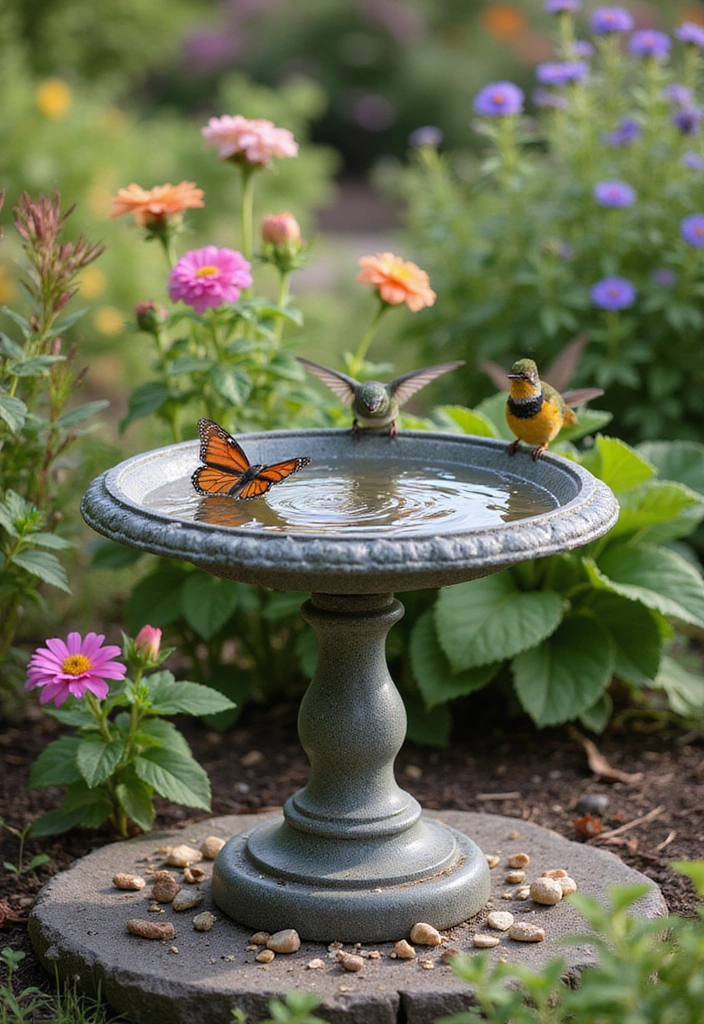
All living creatures need water, and your pollinator garden should be no exception. Birds and butterflies often seek out fresh water for hydration, and incorporating water sources into your garden can make it a vibrant hub of activity. A small birdbath can be an excellent addition; the removable 13" diameter bowl allows for easy cleaning, while the stable upgrades stake ensures it stays upright in your garden. Consider adding shallow dishes like the shallow water dishes designed for reptiles. These are perfect for butterflies to perch on while they sip, providing a safe and accessible hydration option. For a more natural aesthetic, a small garden fountain not only enhances your garden's visual appeal but also creates soothing sounds that attract more visitors. Watering Tips: - Keep the water shallow to prevent drowning. - Refresh the water daily to avoid mosquito breeding. - Place water sources in sunny spots to attract more visitors. Creating a water oasis with these products will ensure your garden is a welcoming stop for thirsty pollinators.
Implementing Organic Gardening Practices
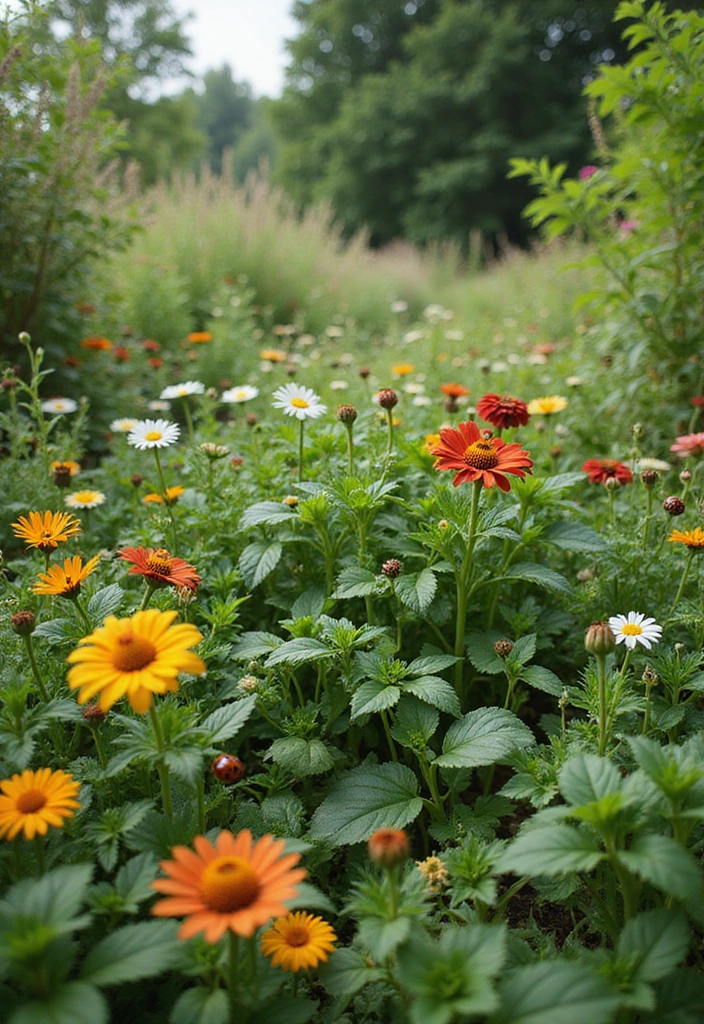
To truly support our feathered and winged friends, embracing organic gardening is essential. This means avoiding pesticides and herbicides that can harm pollinators. Instead, focus on natural pest management techniques. Introduce beneficial insects like ladybugs and lacewings to control aphid populations. You can also plant companion flowers that repel pests while attracting pollinators. For weed control, mulching can suppress unwanted growth without harming your precious visitors. Using GardenStraw, all-natural mulch is a great option; it conserves water and suppresses weeds, helping to create a thriving environment for pollinators. For plant protection, consider using NATRIA neem oil spray or Garden Safe insecticidal soap. Both products are effective at managing pests without harmful chemicals, ensuring that your garden remains a safe haven for hummingbirds and butterflies. Organic practices not only keep your garden safe for visitors but also promote a healthier ecosystem, allowing plants and animals to flourish together.
Creating a Pollinator-Friendly Landscape Design
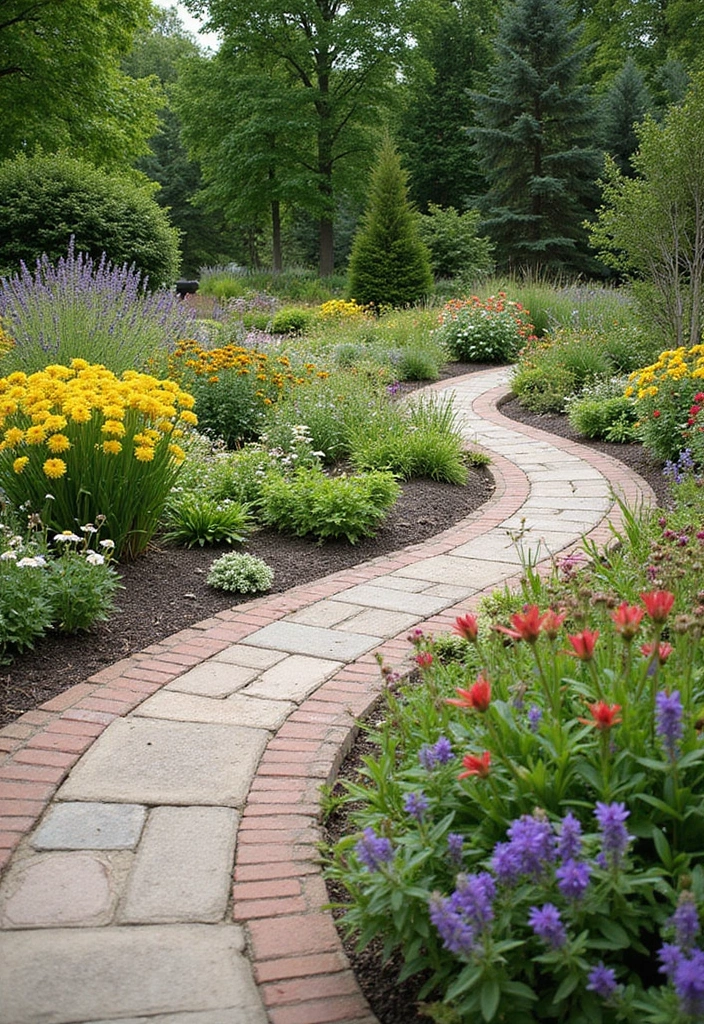
Your garden doesn’t have to be a random collection of plants. Thoughtful landscape design can enhance the beauty of your space while serving the needs of hummingbirds and butterflies. Consider a curved garden bed instead of straight lines to create a more visually appealing layout. Using Garden Bed Edging, such as the EasyFlex No-Dig Landscape Edging, can help define your garden bed beautifully while keeping it organized. This decorative stone-look border not only adds structure but also prevents grass and weeds from intruding into your flower-filled paradise. Plant in clusters rather than a single row to create bursts of color, attracting pollinators effectively. To ensure your garden is alive with activity, consider sowing a mix of flowers like those found in the Pollinator-Friendly Flower Seeds from Burpee. This bulk pack includes 18 varieties of non-GMO flower seeds, perfect for providing the nectar-rich blooms that hummingbirds and butterflies adore. Adding pathways made of gravel or Stepping Stones for Garden Pathways can help you navigate your garden while also giving it a distinct structure. The decorative stones from Spoontiques not only serve a practical purpose but also enhance the aesthetic charm of your garden, inviting you to stroll through your blooming oasis. Design Tips: - Use color patterns to create visual impact—think complementary colors. - Incorporate different heights and shapes to keep the eye engaged. - Allow for some open space where pollinators can rest undisturbed. A well-designed garden not only attracts visitors but also offers an enjoyable experience, making you look forward to spending time in your vibrant outdoor sanctuary.
Staying Seasonal: Adapt Your Garden Year-Round

A garden is a living entity that changes with the seasons, and adapting your space to fit each one ensures ongoing support for pollinators. In spring, focus on early-blooming flowers like crocuses and pansies. For a vibrant selection, consider using pollinator-friendly flower seeds that feature a mix of 18 different varieties to attract a diverse range of creatures. Summer bursts with color, bringing in sunflowers and daisies that not only beautify your garden but also draw in more butterflies and hummingbirds. As fall approaches, add late bloomers like asters and goldenrods, giving butterflies a final feast before the winter. To support wildlife during the colder months, think about leaving some plant stalks and seed heads intact for food and shelter. Seasonal Adaptation Tips: - Keep a garden journal to track what works best throughout the year. This can help you understand which plants thrive in your environment. - Rotate plants and introduce new varieties to keep the garden fresh and appealing to pollinators. - In winter, hang a bird feeder filled with seeds to support your feathered friends during the chilly months. This approach not only enhances biodiversity but also keeps your garden lively and engaging no matter the season.
Encouraging Community Support for Pollinators
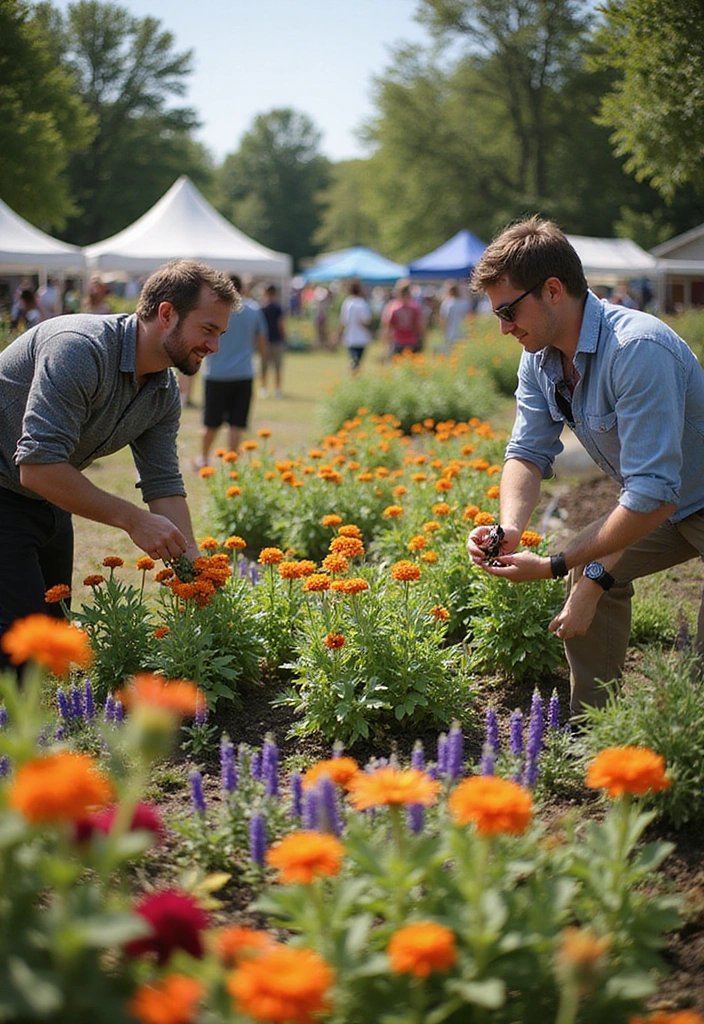
Your pollinator garden can be a source of inspiration for the community! Share your journey with neighbors, and you might inspire them to create their own spaces for these vital creatures. Hosting gardening workshops or inviting friends over for a garden tour can spark conversations about the importance of pollinators. To enhance your garden's appeal and functionality, consider adding a hummingbird feeder. This beautiful feeder not only decorates your outdoor space but also attracts hummingbirds, providing them with a reliable nectar source and giving you a front-row seat to their fascinating behavior. Its easy-to-clean design and flexible ports ensure that maintaining it is hassle-free. Additionally, a butterfly house can be an excellent addition to your garden. This wooden habitat creates a safe space for butterflies to rest and reproduce, supporting their population in your area. With its puddler feature, it also encourages butterflies to gather and enjoy your garden, adding an enchanting touch to your outdoor experience. Don't forget to plant a variety of flowers that appeal to pollinators. A great resource is the pollinator garden seed mix, which contains 18 different varieties of non-GMO flower seeds. This mix ensures your garden blooms with vibrant colors and provides nourishment for bees, butterflies, and hummingbirds. Consider joining local gardening clubs or online forums where you can share tips and resources. Engaging with others helps you learn more and discover new plants or techniques that could enhance your own garden. Community Tips: - Organize a garden club focused on pollinator-friendly practices. - Participate in local environmental events to spread awareness. - Share your garden successes on social media to inspire others. Building a supportive community around gardening can create a ripple effect, making a larger impact on pollinator populations and environmental health.
Incorporating Art and Decor for Added Charm
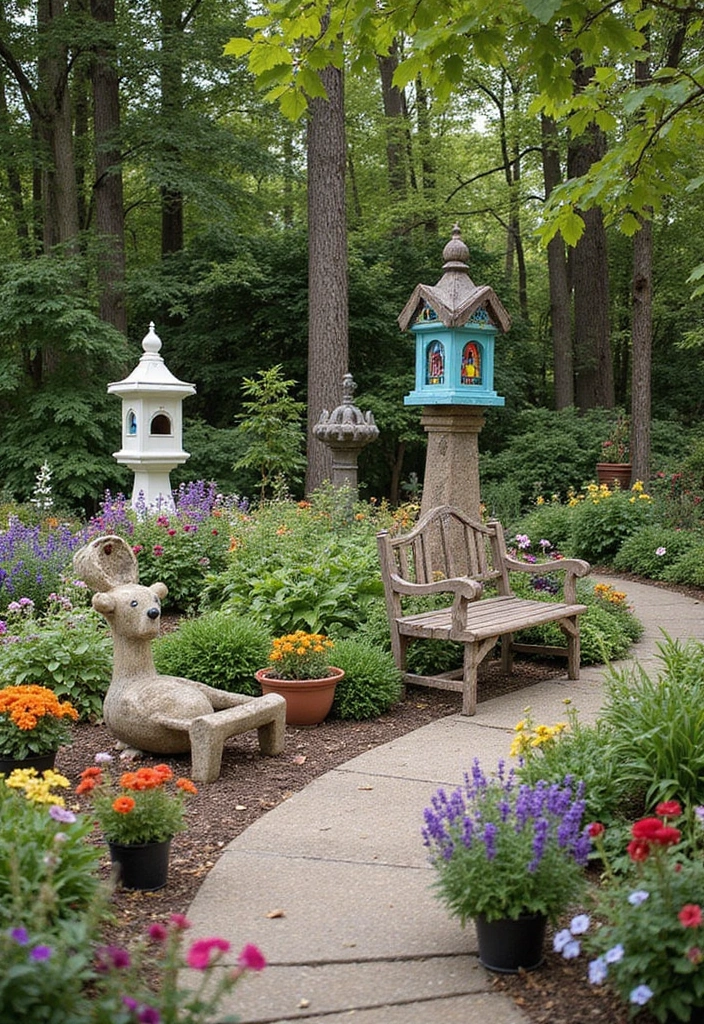
A pollinator garden can be more than just plants; it's an opportunity to showcase your personality and creativity. By incorporating whimsical elements like garden sculptures, you can add a touch of fun and charm to your space. These colorful pieces not only enhance the aesthetic but can also attract pollinators when placed thoughtfully throughout the garden. Consider adding a decorative birdhouse to your garden. A charming birdhouse serves as a delightful focal point while offering a cozy shelter for local birds, further enriching the wildlife experience and contributing to the overall ecosystem. Wind chimes can also create a soothing atmosphere in your garden. Try hanging some colorful wind chimes that resonate gently in the breeze. Not only do they add a vibrant touch, but the sound can be delightful and inviting, enhancing the peaceful retreat you've designed. When selecting decor, aim for pieces that aren’t too bright or distracting from your plants. Utilizing local materials is an excellent way to blend your decor with the natural surroundings. Additionally, incorporating comfortable benches provides a perfect seating area to relax and enjoy the beauty of your garden up close. By blending artful design with your garden, you create an inviting retreat that nurtures both visitors and your own sense of peace.
Utilizing Technology to Monitor Your Garden
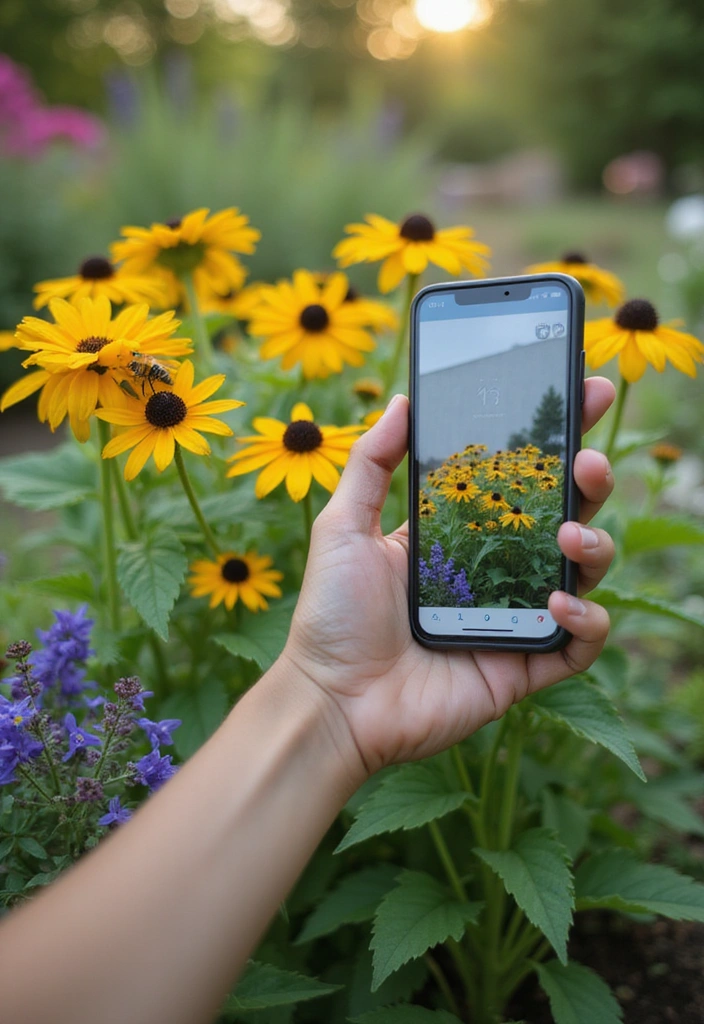
In this digital age, technology can be a valuable ally in your gardening journey. Using gardening apps, you can identify local pollinators and track which species visit your garden, allowing you to deepen your understanding of these vital creatures. Some apps even let you document your plant growth and changes throughout the seasons, providing a wealth of information over time. For real-time monitoring, consider the AFRA Smart Soil Moisture Sensor. This 2-in-1 Bluetooth moisture meter and temperature tracker gives you notifications right on your phone, so you can ensure your plants are getting the care they need without constantly checking the soil yourself. Cameras can also serve a dual purpose: capturing the beauty of your garden while helping you monitor visitor activity. You might want to set up a NETVUE by Birdfy Smart Bird Feeder with Camera. This device not only allows you to see what birds stop by, but it also automatically captures videos and offers a live stream, making birdwatching even more enjoyable. To help you stay informed about the conditions affecting your garden, consider investing in an Ambient Weather WS-2902 WiFi Smart Weather Station. This weather station provides real-time data on temperature, humidity, and other weather factors, allowing you to make better decisions for your plants based on current conditions. Tech Tips: - Explore gardening apps that focus on pollinator species. - Use weather stations to track local conditions that affect your garden. - Share your tech findings with fellow gardeners for a collaborative experience. Embracing technology can enhance your understanding of the natural world around you while keeping your gardening efforts innovative and exciting.
Learning About Your Local Pollinator Species
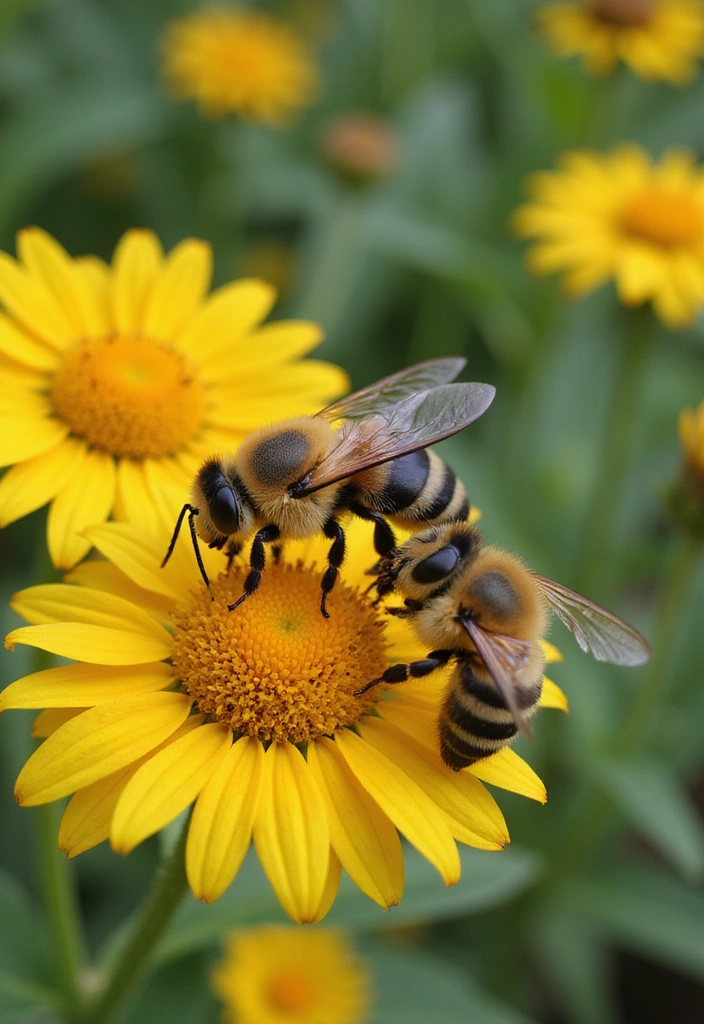
Understanding the specific pollinators in your area is crucial to creating an effective garden. Research local hummingbird and butterfly species to learn their preferences—what flowers they love, when they visit, and any particular needs they might have. To attract these beautiful creatures, consider adding a pollinator garden seed mix to your space. This mix includes 18 varieties of non-GMO flower seeds that are specifically chosen to appeal to local pollinators, ensuring that your garden is a vibrant source of nectar for both hummingbirds and butterflies. You can also enhance your garden's appeal with a hummingbird feeder. This decorative feeder features a 22-ounce capacity and is designed with flexible ports that make it easy to clean. By providing a reliable nectar source, you'll be sure to attract these charming birds during their visits. For butterflies, a butterfly house is an excellent addition. This wooden habitat serves as a natural nesting box that provides shelter for butterflies and other beneficial insects, making your garden not just a source of food but also a safe haven. You can join local clubs or take part in online forums to exchange tips and insights with fellow gardening enthusiasts. Many regions also have extension services or educational programs dedicated to pollinator support that can provide you with free resources and events. Research tips: - Utilize local libraries or community centers for resources on pollinators. - Attend workshops or nature walks focused on local wildlife. - Keep a journal to track species and their habits in your garden. By getting to know your visitors, and with the right tools like a pollinator garden seed mix, a hummingbird feeder, and a butterfly house, you’ll be able to enhance your garden's appeal and create an even more welcoming environment for them.
Harvesting and Enjoying Your Garden's Produce

While the focus is on attracting pollinators, don’t forget that a thriving pollinator garden can yield delicious produce too! Many flowering plants, like tomatoes and peppers, need pollinators to set fruits. When you see butterflies and bees in action, you’re not just cheering them on; you’re also supporting your own harvest! Engage in seasonal harvesting of your vegetables and herbs, making sure to leave some blooms for the pollinators. To make the most of your harvest, consider using a garden harvesting tools set, which includes a convenient basket with ergonomic handles and a colander, perfect for gathering and cleaning your fresh produce. Hosting small gatherings where you can share your homegrown items and the beauty of your garden with friends can enhance the joy of your harvest. Harvesting Tips: - Pick fruits and veggies in the morning when flavors peak. - Leave some flowers for pollinators to ensure their continued visits. - Use your harvest to cook up seasonal meals that celebrate your garden’s bounty. For a successful start, consider planting pollinator-friendly flower seeds, featuring 18 varieties of non-GMO flower seeds. These will attract even more pollinators, further boosting your garden's productivity. Your garden can be both a feast for the eyes and for the table, making the experience even more rewarding!
Enjoying the Beauty of Your Garden
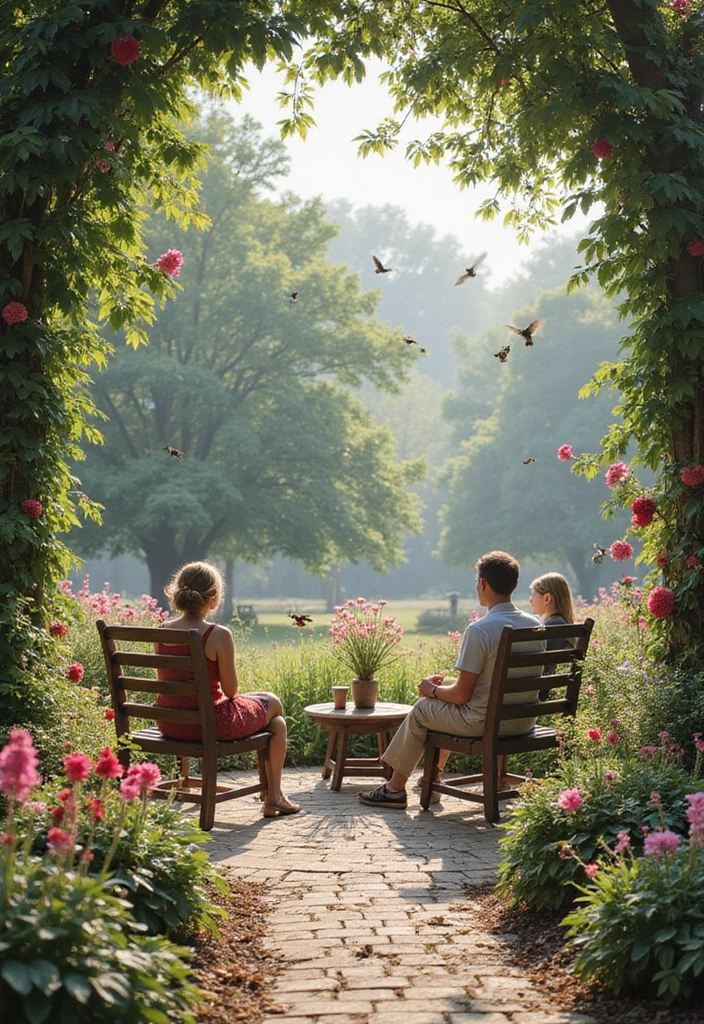
Finally, don’t forget to take time for yourself in this beautiful space you’ve created. Gardening should be a source of joy, peace, and connection to nature. To enhance your experience, consider adding a garden bench where you can relax and observe the activity in your garden. Its antique finish adds charm, making it a perfect spot for enjoying morning coffee or evening tea while surrounded by the buzz of life around you—there’s something calming about watching hummingbirds dart and butterflies flutter. Share your space with family and friends and let them enjoy the beauty you’ve cultivated. Your pollinator garden can become a cherished spot for relaxation and enjoyment, offering a daily retreat. To make your time in the garden even more fulfilling, keep a garden journal to reflect on your experiences. Documenting your thoughts can deepen your appreciation for the vibrant life around you. Additionally, set the atmosphere with some outdoor string lights. Not only do they illuminate your garden in the evenings, but they also create a warm and inviting ambiance for special gatherings with loved ones. In the hustle and bustle of life, your garden can be a serene escape, reminding you of the beauty all around. Practice mindfulness by simply sitting and observing nature, and let your garden be a sanctuary that nourishes your spirit.
Celebrating Your Successes
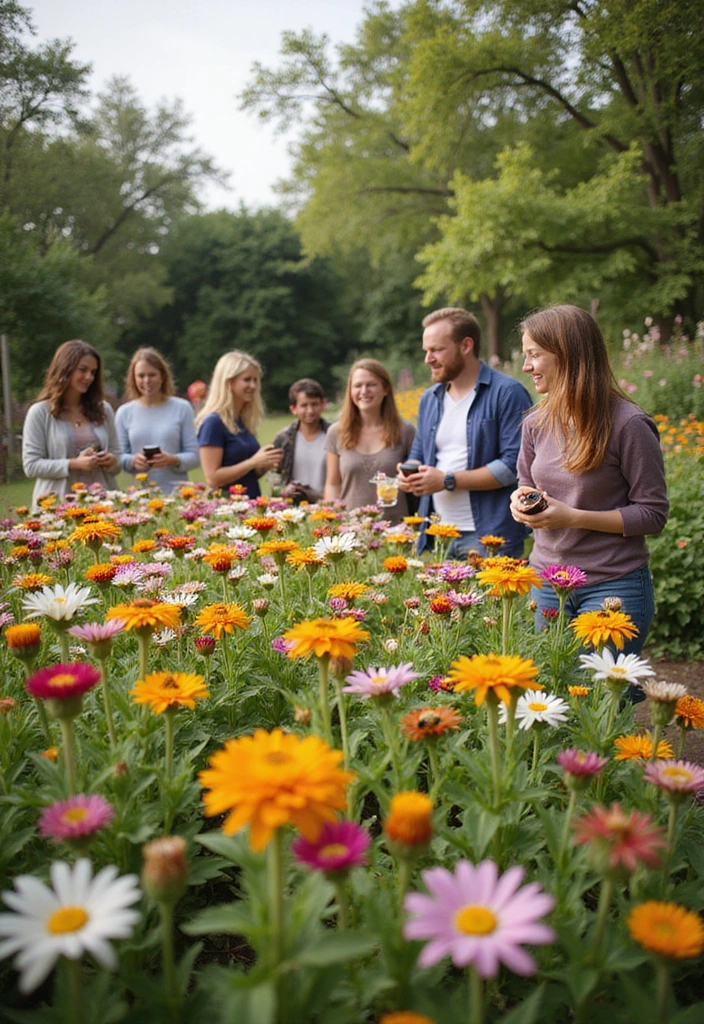
After all your hard work, take a moment to celebrate your successes! Whether it’s the first sighting of a hummingbird or a butterfly landing on your favorite flower, every little moment is worth cherishing. You can document your journey with a garden scrapbook kit, which can help you organize photos and notes throughout the seasons—this serves as great motivation for next year's garden planning! Consider sharing your experiences on social media or within community circles to inspire others. To make your celebration even more enjoyable, you might want to organize a garden party with friends and family, using festive decorations like the garden party supplies set to add a cheerful atmosphere. Engaging in local gardening events not only allows you to connect with fellow enthusiasts but also gives you the opportunity to showcase your beautiful pollinator haven. Documenting your garden's growth in a garden journal can help you track your progress and share your tips and tricks with others. Every pollinator garden is unique, and the joy it brings is a beautiful testament to your efforts!
Conclusion
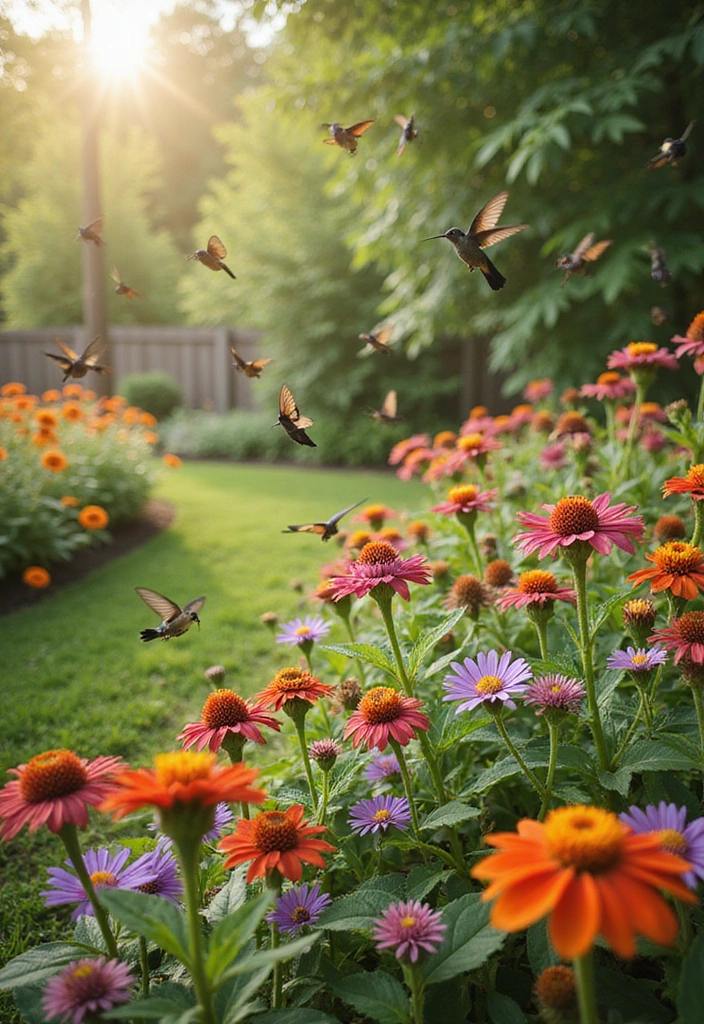
Transforming your backyard into a vibrant pollinator garden is a journey filled with joy, learning, and connection to nature. With each step, you cultivate not just a garden but a sanctuary for hummingbirds and butterflies, making a positive impact on the environment. Embrace the adventure of gardening, and enjoy the beauty that unfolds as you attract these stunning creatures! Note: We aim to provide accurate product links, but some may occasionally expire or become unavailable. If this happens, please search directly on Amazon for the product or a suitable alternative. This post contains Amazon affiliate links, meaning I may earn a small commission if you purchase through my links, at no extra cost to you.