

Spring is just around the corner, and as the days grow warmer, many of us feel the urge to refresh our living spaces. With the rise of eco-conscious living, you might be craving ways to make your home more sustainable. This post is designed to inspire you to embrace sustainable home remodeling for spring 2026. The goal here is simple: to guide you on how to create a beautiful, eco-friendly home that not only looks good but also feels good for our planet.
If you’re someone who loves home decor and cares about green living, you’re in the right place. This guide is tailored for homeowners, renters, or anyone who wants to make a positive impact through their decorating choices. You’ll discover practical tips that are easy to implement and will create a lasting difference. From using reclaimed materials to maximizing natural light, these ideas will help you design a space that aligns with your values while still being stylish.
In this post, I’ve compiled 13 eco-friendly remodeling tips that will transform your home into a sustainable haven. Each tip is crafted to be actionable, so you can start making changes right away. Whether you’re planning a full remodel or small updates, you’ll find valuable insights that will not only improve your space but also support a healthier planet. Get ready to dive into some inspiring ideas that you’ll absolutely love—especially the one at #5!
Key Takeaways
- Embrace Reclaimed Materials: Using reclaimed wood or recycled materials adds character and reduces waste in landfills. - Choose Eco-Friendly Paints: Look for low-VOC or non-toxic paints to ensure a healthier indoor environment. - Go for Energy-Efficient Appliances: Investing in energy-efficient models can cut down on your utility bills while being kind to the Earth. - Optimize Natural Light: Design your space to maximize natural light, which can reduce your need for artificial lighting. - Invest in Sustainable Flooring: Consider options like bamboo or cork that are both durable and environmentally friendly.Contents
- 1. Embrace Reclaimed Materials
- 2. Choose Eco-Friendly Paints
- 3. Go for Energy-Efficient Appliances
- 4. Optimize Natural Light
- 5. Invest in Sustainable Flooring
- 6. Incorporate Green Landscaping
- 7. Implement Smart Home Technology
- 8. Use Non-Toxic Materials
- 9. Focus on Multi-Functional Spaces
- 10. Recycle and Upcycle Decor Items
- 11. Support Local Artisans
- 12. Install Solar Panels
- 13. Create a Composting System
1. Embrace Reclaimed Materials
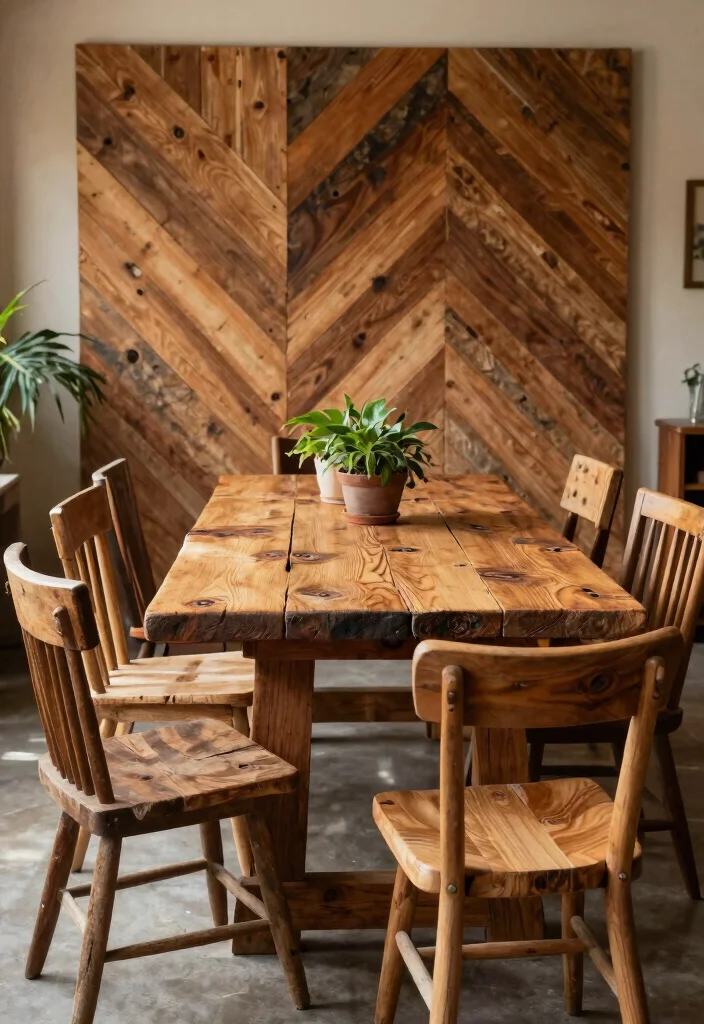
Starting your sustainable home remodeling journey with reclaimed materials is a rewarding choice. This approach not only adds unique character to your space but also minimizes waste, contributing to a healthier planet. For instance, using reclaimed wood from old barns can create beautiful furniture pieces or accent walls that tell a rich story. You can also explore salvaged bricks for a charming vintage touch in your kitchen or patio area.
To make the most of reclaimed materials, scout local salvage yards or online marketplaces specializing in these items. Consider DIY projects to transform these finds into custom decor pieces that reflect your style while staying budget-friendly.
Consider these elements to enhance your home with reclaimed materials:
- Pair reclaimed wood beams with modern furnishings for contrast
- Install salvaged doors as statement pieces in your home
- Use vintage tiles to create a unique backsplash in the kitchen
Incorporating reclaimed materials not only enriches your home’s aesthetic but also fosters a connection to sustainable practices.
2. Choose Eco-Friendly Paints

Selecting eco-friendly paints is essential for improving indoor air quality during your remodeling project. Traditional paints often contain volatile organic compounds (VOCs) that can harm your health, while low-VOC or zero-VOC options provide vibrant colors without the toxic side effects. Brands like Benjamin Moore and Sherwin-Williams offer a variety of eco-conscious colors, perfect for any design scheme.
For practical implementation, always test a small area first to ensure you're happy with the color, and plan for good ventilation during application to help disperse any lingering odors. This simple choice can significantly enhance your home's ambiance while supporting a greener environment.
Here are some eco-friendly painting options to consider:
- Use natural pigments that come from minerals and plants
- Choose milk paint for a biodegradable, non-toxic finish
- Opt for clay paint to create a unique texture on walls
Refresh your walls this spring with colors that are as safe as they are beautiful, creating a nurturing environment for you and your family.
3. Go for Energy-Efficient Appliances

Upgrading to energy-efficient appliances is a smart renovation choice that promotes sustainability. These appliances use less electricity and water, leading to lower utility bills and a reduced carbon footprint. Look for products with the ENERGY STAR label, which indicates they meet stringent energy efficiency standards set by the U.S. Environmental Protection Agency.
Investing in energy-efficient models not only saves money over time but also often provides enhanced performance. For the best results, consider upgrading to appliances like refrigerators, dishwashers, and induction cooktops that prioritize energy efficiency while offering modern features.
Here are some benefits of choosing energy-efficient appliances:
- Save money on long-term energy bills
- Enjoy improved cleaning and performance capabilities
- Reduce your environmental impact with less energy consumption
By incorporating energy-efficient appliances this spring, you're not just enhancing your home’s functionality but also making a positive contribution to the planet.
Did you know ENERGY STAR appliances can cut your energy use by up to 30%? In sustainable home remodeling, that means lower bills and a greener footprint.
4. Optimize Natural Light
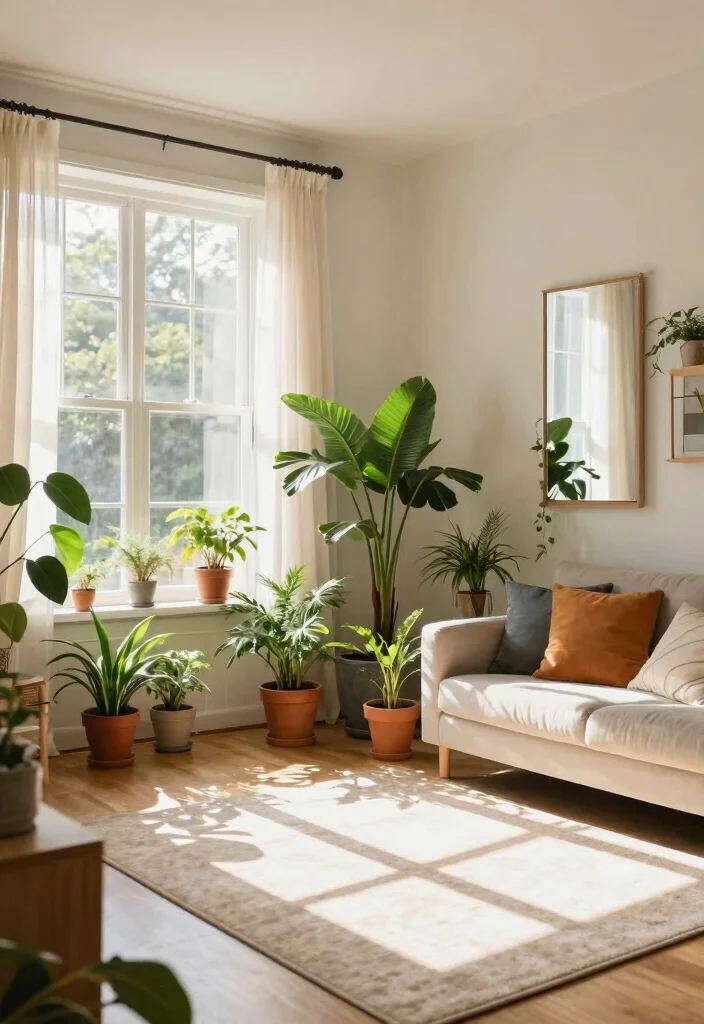
Maximizing natural light in your home is a simple way to brighten your space and enhance your mood. By making small adjustments, you can create a more inviting atmosphere that reduces energy consumption. Positioning mirrors strategically can reflect light throughout the room, while sheer curtains allow sunlight in without sacrificing privacy.
To further enhance natural light, consider expanding window spaces or adding skylights in darker areas. Lighter colors for walls and furnishings can also reflect light better, creating an airy feel.
Here are some additional tips for optimizing natural light:
- Trim overgrown trees or shrubs that block sunlight
- Use reflective decor items like glass or metallic accents
- Incorporate light-colored rugs and fabrics to brighten the room
This spring, embrace the light to transform your spaces into warm and welcoming environments that energize your daily life.
Optimize Natural Light
Editor's Choice




5. Invest in Sustainable Flooring
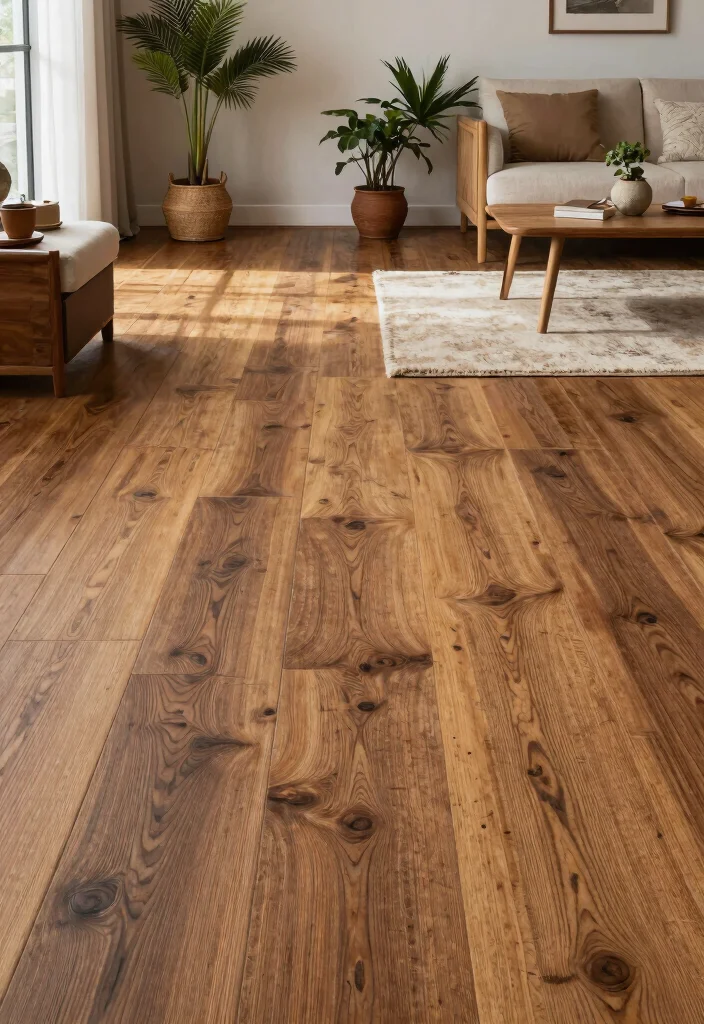
Choosing sustainable flooring can greatly enhance your home’s eco-friendliness while improving indoor air quality. Options like bamboo, cork, and reclaimed wood are not only durable but also environmentally responsible choices. Bamboo grows rapidly and is renewable, making it a fantastic flooring choice, while cork provides natural insulation and is biodegradable.
When selecting flooring, consider maintenance and aesthetics. Many sustainable materials require fewer chemicals for upkeep and offer a range of styles to complement your decor. Reclaimed wood flooring adds warmth and character, ensuring no new trees are cut down.
Here are key factors to consider when opting for sustainable flooring:
- Choose materials that are low maintenance and environmentally friendly
- Look for styles that suit your home’s overall aesthetic
- Prioritize durability for long-term use and sustainability
This spring, think about how your flooring choices can positively impact the environment while enhancing the beauty of your home.
Invest in Sustainable Flooring
Editor's Choice




📹 Related Video: Bamboo vs Cork Flooring | Everything you need to know!
6. Incorporate Green Landscaping
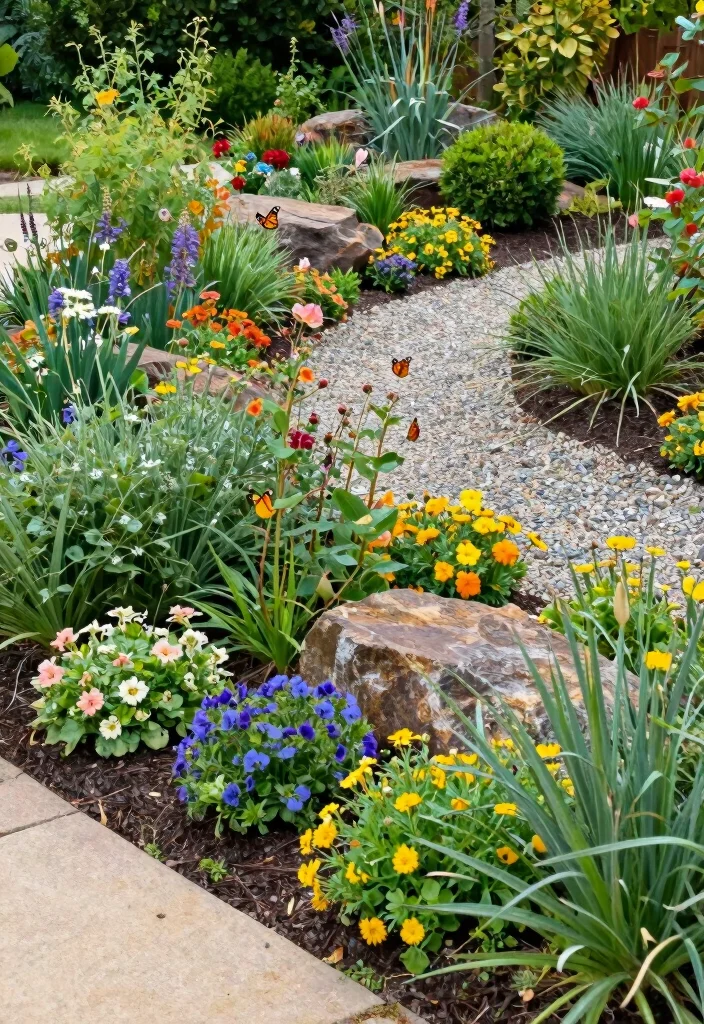
Landscaping is vital in shaping your home’s ecological impact. By adopting green landscaping practices, you can enrich your outdoor space while promoting biodiversity. Start by selecting native plants that thrive in your local climate and require less water, which can save resources.
Consider implementing xeriscaping, featuring drought-resistant plants to minimize irrigation needs. Creating butterfly gardens or habitats for local wildlife can also enhance your landscape and support the ecosystem.
Here are some benefits of sustainable landscaping:
- Conserve water with native plant choices
- Enhance curb appeal while supporting biodiversity
- Improve air quality through carbon sequestration of plants
This spring, reflect your commitment to sustainability through thoughtful landscaping that beautifies your home and nurtures the environment.
Incorporate Green Landscaping
Editor's Choice





You might also like


7. Implement Smart Home Technology

Smart home technology is an excellent way to boost your home's energy efficiency. Investing in devices that optimize energy usage can lead to significant savings and promote a sustainable lifestyle. For instance, smart thermostats adjust temperatures based on your schedule, while smart lighting systems can turn off automatically when you leave a room.
These devices not only simplify your life but also aid in reducing your environmental impact. Explore additional smart options like smart plugs and energy monitors to keep track of your consumption and identify areas for improvement.
Here are some effective smart devices to consider:
- Install smart plugs to manage devices remotely
- Use energy monitors to track consumption effectively
- Set up smart irrigation systems to optimize watering schedules
This spring, embrace technology to create a smarter, greener home that aligns with your values.
Smart home tech makes sustainable home remodeling feel doable: set schedules, auto-off lights, and boost energy efficiency by optimizing use throughout your day. These small tweaks cut waste, slash energy bills, and keep your home comfortable—without sacrificing convenience.
Implement Smart Home Technology
Editor's Choice


How To Choose Eco-Friendly Paints
When it comes to remodeling your home sustainably, choosing the right paint can make a big difference. Eco-friendly paints can improve air quality and reduce your home’s environmental impact. Here’s how to select the perfect eco-friendly paint for your next project. 1. Consider the IngredientsLook for paint that uses natural, non-toxic ingredients. Many brands now offer paints made from plant-based oils and minerals. Avoid paints with high levels of volatile organic compounds (VOCs), as these can release harmful fumes into your home.
2. Check for Certifications
Certain eco-friendly paints have certifications, such as Green Seal or Greenguard. These certifications indicate that the paint meets strict environmental standards. Always check the label to ensure the paint you choose has been tested for safety and sustainability.
3. Assess Color Options
Eco-friendly paints come in a variety of colors, but not every color is created equal. Some pigments can contain harmful chemicals. Opt for paints that use natural pigments or those clearly labeled as eco-friendly. You can also find color matching services to create a specific shade without compromising on sustainability.
4. Evaluate the Finish
Different finishes can affect both the look and durability of your paint. Matte finishes can hide imperfections but may require more frequent touch-ups. Glossy finishes are easier to clean and more durable, but they may contain more chemicals. Choose a finish based on where you plan to use the paint and how much wear and tear it will face.
5. Factor in Your Budget
Eco-friendly paints can be more expensive than traditional options. Keep this in mind when planning your budget. Look for brands that offer high-quality products at a reasonable price, or consider purchasing samples to test various paints before committing to a larger quantity.
6. Think About the Application
Some eco-friendly paints may require special application techniques or tools. Review the manufacturer's guidelines for application to ensure you have the right materials on hand. Consider whether you will be painting indoors or outdoors, as this can also affect the type of paint you choose.
Pro Tip: Always test a small area before fully applying the paint. This way, you can see how the color looks in different lighting and ensure it adheres well to the surface.
Choosing eco-friendly paints for your sustainable remodeling project is not just about being conscious of the environment; it can also enhance your living space with healthier air quality and aesthetic appeal. By following these guidelines, you can make an informed choice that aligns with your green living goals for spring 2026. Happy painting!
8. Use Non-Toxic Materials
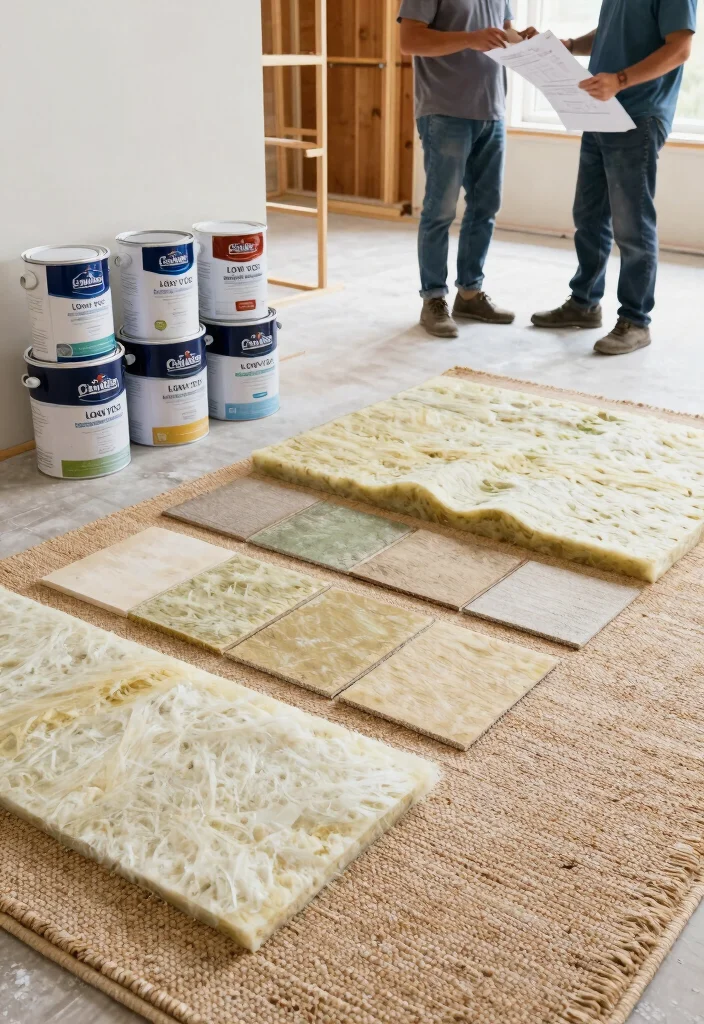
Selecting non-toxic materials during your remodeling project is crucial for fostering a healthier home environment. Many conventional building materials contain harmful chemicals that compromise indoor air quality. Look for non-toxic adhesives, finishes, and insulation made from recycled content to make safer choices.
Green certifications like GreenGuard can help you identify healthier materials, ensuring your home is safe for your family. This commitment to non-toxic options paves the way for sustainable remodeling.
Consider these non-toxic materials for your project:
- Choose low-VOC paint for a safe interior
- Incorporate natural fiber carpets made from wool or cotton
- Use recyclable insulation like cellulose or denim
By prioritizing non-toxic materials, you create a stylish and sustainable home that protects your family’s health.
9. Focus on Multi-Functional Spaces
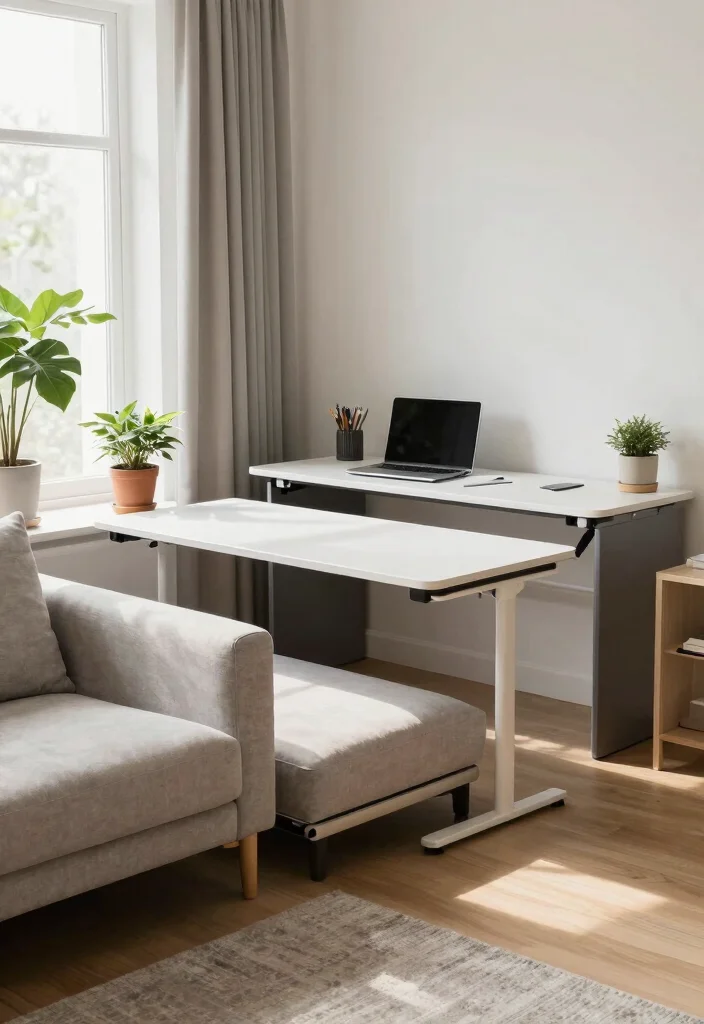
Designing multi-functional spaces is an effective way to maximize your home's functionality while minimizing resource use. A room that serves multiple purposes reduces the need for extra materials, contributing to energy efficiency. Think about creating a home office that can also function as a guest space or a dining area that doubles as a playroom.
This approach promotes decluttering and encourages a minimalist lifestyle. Investing in convertible furniture and utilizing room dividers can help you achieve a seamless transition between different uses.
Here are some tips for creating multi-functional spaces:
- Invest in convertible furniture like a sofa bed
- Use room dividers to define areas without sacrificing space
- Keep decor cohesive for a polished look across functions
This spring, embrace multi-functional design to create a stylish, efficient home that embodies the principles of sustainable living.
10. Recycle and Upcycle Decor Items

Rather than purchasing new decor, consider recycling or upcycling items you already own. This practice is not only budget-friendly but also reduces landfill waste and sparks creativity. Think about innovative ways to transform old furniture or decor into something fresh. An old dresser could be repurposed into a media console, while vintage glass bottles can serve as charming vases.
Consider these creative ideas for your decor:
- Paint old furniture for a new look
- Repurpose wooden crates into unique bookshelves
- Create DIY art from fabric scraps or repurpose frames
Spring is the perfect season to unleash your creativity and turn recycling efforts into stylish design elements that uniquely express your personality.
Fun fact: Upcycling decor can cut landfill waste by up to 60%. You can save money while boosting sustainable home remodeling—transform a tired dresser into a chic media console with items you already own.
Recycle and Upcycle Decor Items
Editor's Choice




You Might Also Like

11. Support Local Artisans

When selecting decor, supporting local artisans is an excellent way to discover sustainable and unique pieces. This not only benefits your local economy but often ensures that the materials used are eco-friendly. Local artisans typically invest in their community and embrace sustainable practices, resulting in handcrafted items that carry a story.
From handmade pottery to custom furniture, these creations often boast higher quality than mass-produced alternatives. By choosing local, you also reduce transportation emissions, contributing to a healthier planet.
Here are compelling reasons to support local artisans:
- Experience superior craftsmanship in handmade items
- Connect with artisans who share their creation stories
- Reduce environmental impact through local sourcing
This spring, enhance your home with one-of-a-kind pieces that reflect your personal style while supporting sustainable practices.
12. Install Solar Panels
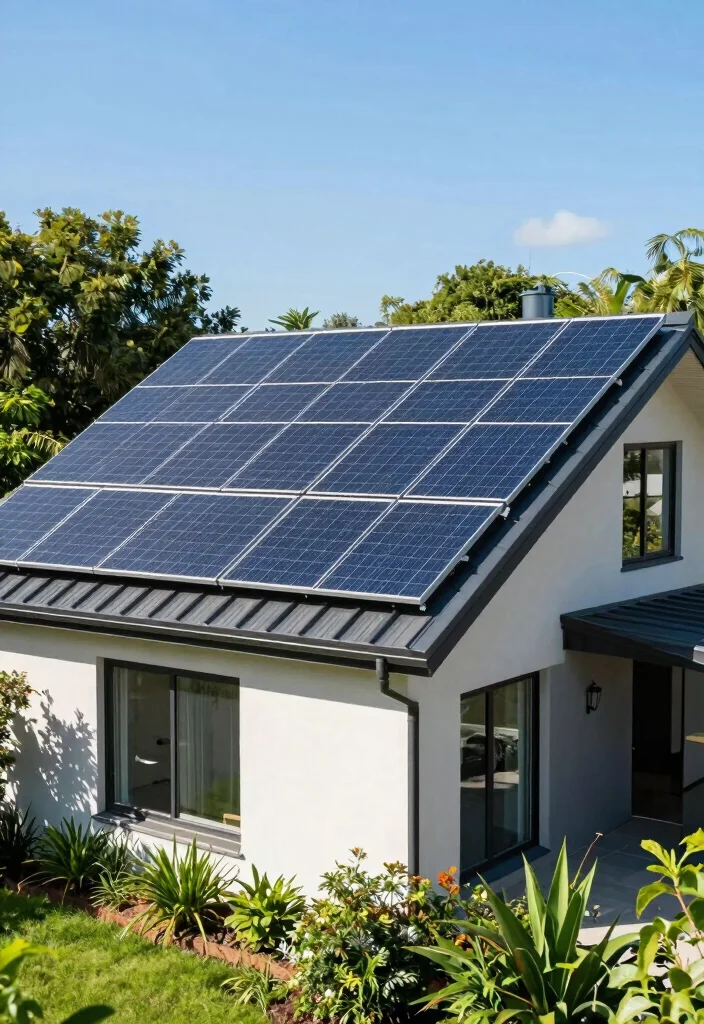
Installing solar panels is a significant step towards achieving a sustainable home. They not only lessen your dependence on fossil fuels but also drastically lower electricity bills. Many incentives and rebates are available for solar energy systems, making the shift to renewable energy more accessible than ever.
Solar technology is evolving, increasing efficiency and affordability. Investing in solar panels not only benefits your wallet but also enhances your home’s value in the long run.
Consider these benefits of solar panels:
- Lower your carbon footprint for a sustainable lifestyle
- Gain energy independence by generating your own electricity
- Increase your home’s market attractiveness with solar features
This spring, think about how solar panels can play a pivotal role in your commitment to sustainable living.
13. Create a Composting System
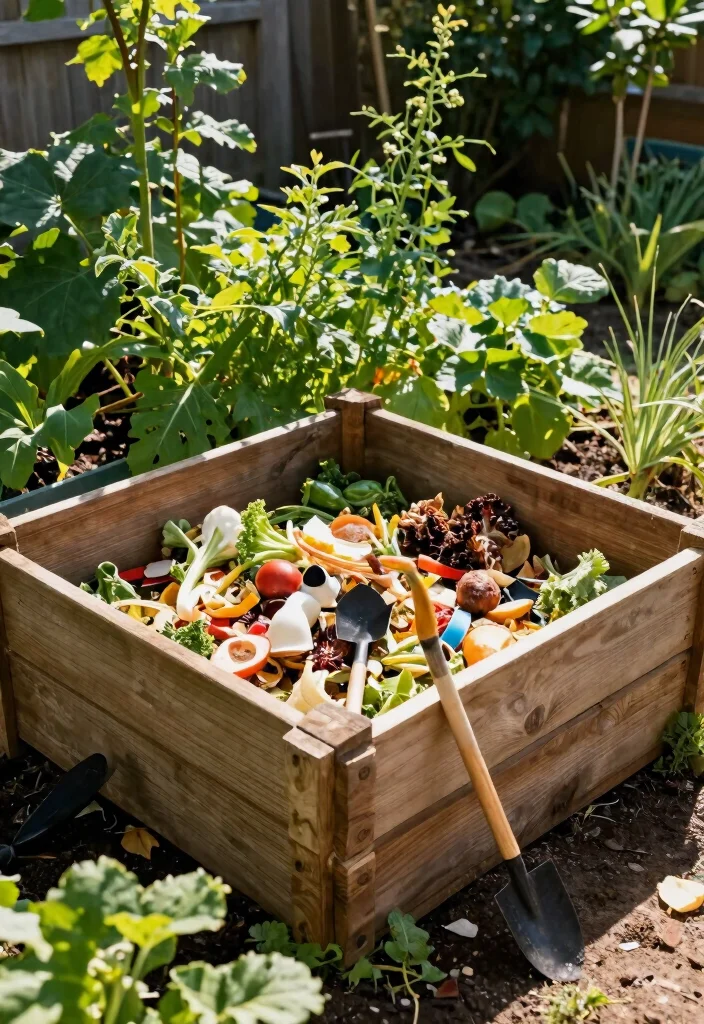
Establishing a composting system is a fantastic way to minimize waste and enrich your garden soil. Setting up a compost bin is simpler than you might think, and it can greatly reduce your environmental impact. Even if you live in a small apartment, options like worm composting bins can work perfectly.
Composting transforms kitchen scraps and yard waste into nutrient-rich soil, effectively closing the loop on waste. It not only promotes waste reduction but also encourages biodiversity in your garden.
Here are the benefits of starting a composting system:
- Significantly reduce the amount of waste sent to landfills
- Enhance soil health with nutrient-rich compost
- Foster healthy microbes and worms in your garden
As spring blooms, consider starting a composting system that aligns with your commitment to green living while benefiting your garden and reducing waste.
Conclusion
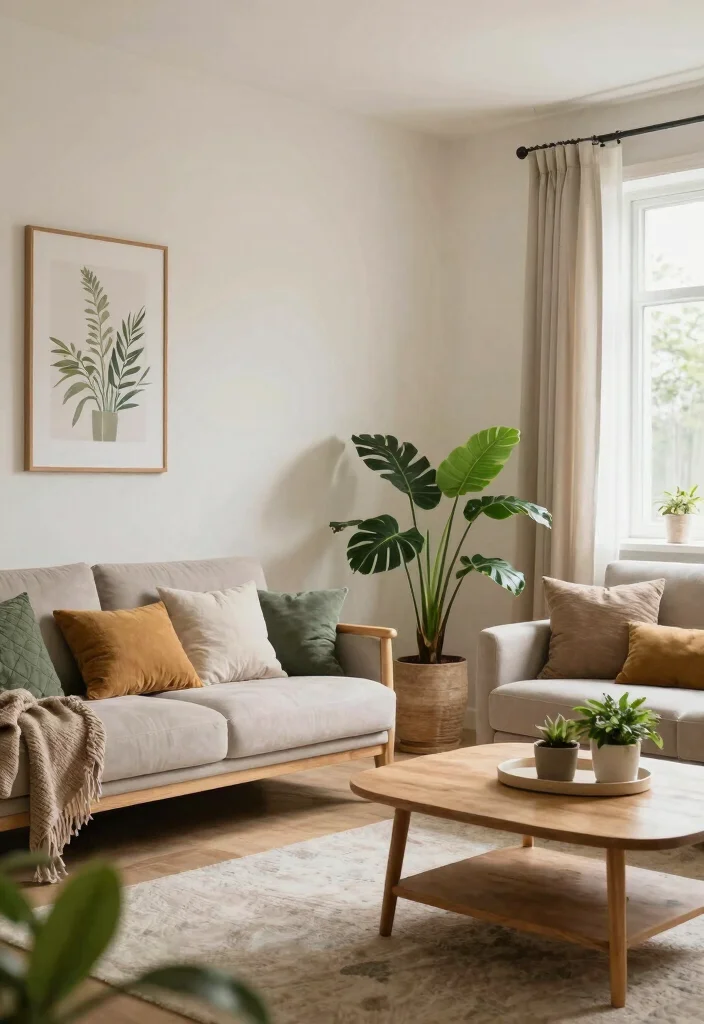
As you embrace these eco-friendly remodeling tips this spring, remember that every small change contributes to a larger impact on the environment. From utilizing reclaimed materials to installing solar panels, promoting sustainable practices in your home can transform your life while caring for our planet. Take your time to explore these ideas and find what resonates with your style and values. Happy remodeling! Note: We aim to provide accurate product links, but some may occasionally expire or become unavailable. If this happens, please search directly on Amazon for the product or a suitable alternative. This post contains Amazon affiliate links, meaning we may earn a small commission if you purchase through our links, at no extra cost to you.
Frequently Asked Questions
What is sustainable home remodeling and why should I try it this spring 2026?
Sustainable home remodeling means designing and updating your space with materials and practices that reduce waste, lower energy use, and improve indoor air quality, without sacrificing style. For spring 2026, focus on steps that pay off fast and long-term: seal and insulate, choose low-VOC paints and finishes, select durable, recyclable or reclaimed materials, and upgrade energy systems (LED lighting, smart thermostats). Start with a home energy audit and use certified products to support green living. This approach keeps your remodeling goals aligned with sustainable home remodeling and gives you a healthier, more comfortable home.
What are practical eco-friendly upgrades I can add to a remodel for spring 2026?
Spring 2026 is a great time to upgrade with practical eco-friendly changes. Start with low-VOC paints and finishes to improve indoor air quality. Choose reclaimed or certified sustainably sourced timber for cabinets and flooring. Upgrade to energy-efficient windows and LED lighting, and install a smart thermostat to cut energy waste. Add water-saving fixtures such as dual-flush toilets and efficient faucets. Select tiles and countertops with recycled-content materials. Finally, invest in durable, repairable pieces and ensure good ventilation to support green living and sustainable home remodeling within budget.
How do I choose materials that are truly green and low-VOC?
To ensure you pick genuine green materials, look for credible certifications (FSC for wood, GREENGUARD Gold for finishes, ENERGY STAR for products). Avoid products with high formaldehyde or PFAS and check product data sheets from manufacturers. Favor low-VOC paints, adhesives, and finishes, and opt for reclaimed or rapidly renewable resources like bamboo or cork where appropriate. Ask suppliers about supply chain transparency and local availability to reduce transportation emissions; this aligns with sustainable home remodeling and green living goals.
How can I budget for green living upgrades without breaking the bank?
Start with a phased plan and a realistic budget. Prioritize upgrades with quick payback, like air sealing, insulation, and LED lighting, which cut energy bills now and in the long term. Look for rebates or tax credits for energy-efficient improvements. Consider mixing in reclaimed or refurbished materials to lower costs while keeping your home stylish. Get multiple quotes from contractors who specialize in sustainable home remodeling and ask for product certifications. By aligning your budget with green living values, you can achieve meaningful results without overspending.
What impact can eco-friendly decor have on indoor air quality and mood?
Eco-friendly decor can improve indoor air quality and mood by reducing exposure to toxic chemicals and creating a calmer, more natural space. Start with sustainable home remodeling choices like low-VOC paints and finishes, formaldehyde-free materials, natural fabrics, and better ventilation. Practical steps include choosing certified products, upgrading to balanced ventilation, and pairing with energy-efficient lighting. Adding plants can boost ambience, but the biggest gains come from lowering toxins and improving airflow. Tip #5 from the article demonstrates how small decor swaps—like using natural fibers and upcycled elements—can deliver a noticeable mood boost without sacrificing style.